
The Nanostack Shift
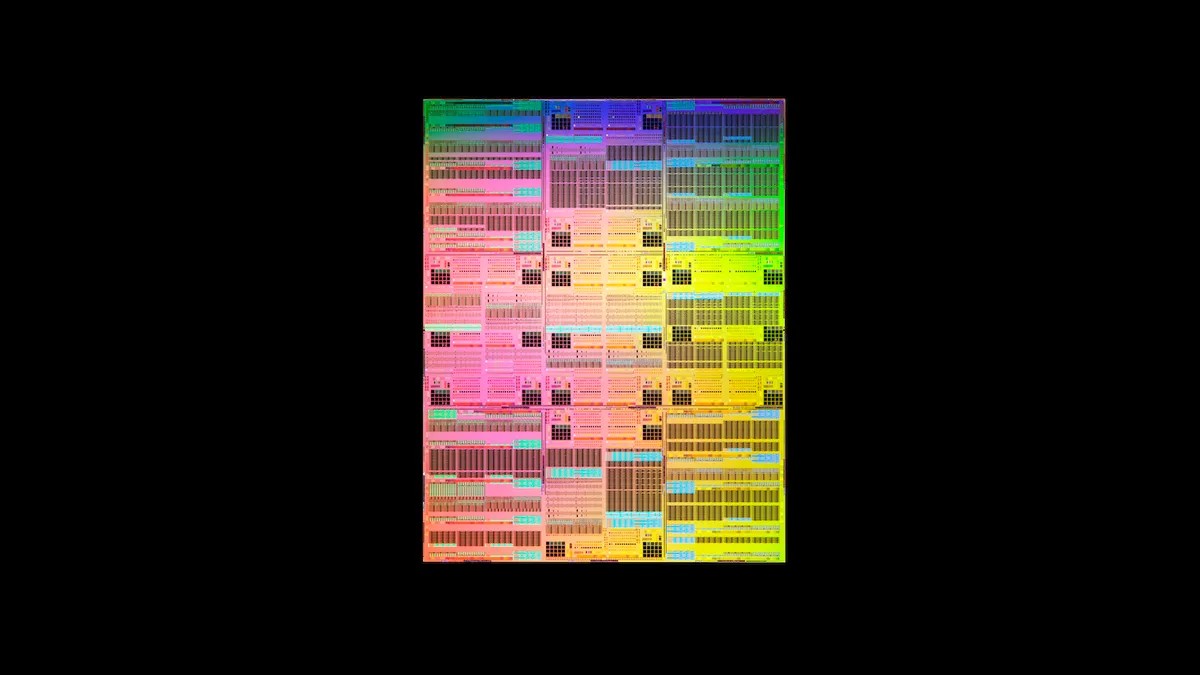
IBM dropped a new chip on Thursday. It is small. About the size of your fingernail. But inside that fleck of silicon live nearly 100 billion transisters. That number is not a typo. Packing that density into the same or smaller footprint is the only way forward. We need speed. We need efficiency. This is the first product from their latest semiconductor tech.
It measures 0.7 nanometers.
Forget the 2nm chip they showed off back in 2021, that older version laid transistors flat. What IBM called nanosheets. This new model? It stacks them vertically. A nanostack architecture.
Vertical Power
IBM claims this vertical stacking works. Way better than before. Their tests showed performance up to 50%. Energy efficiency jumped by 70%. Those are not incremental tweaks. That’s a leap.
There’s a specific win for SRAM here too. Static RAM. It doesn’t need constant electricity to hold data, faster than DRAM, and AI craves it. With this new architecture, the SRAM die shrinks by 40%. More memory, less space. Exactly what the market is screaming for.
“Everyone demands more performance, but no onewants to pay the power bill.” — Huiming Bu
Bu runs semiconductor R&D at IBM. He isn’t wrong. The industry wants infinite compute. But not infinite electric bills. That tension defines the current landscape.
The Five Year Wait
The hardware exists. The factory doesn’t yet. IBM is teaming up with Rapidus, a Japanese foundry, to actually make these things. They say production could start in five years. That feels like an eternity in tech time.
Five years.
Why the wait? Because demand for efficient compute is exploding. Nvidia, AMD, IBM—they all build the backbone for AI. While OpenAI and Google race toward more complex models, they burn through resources. Electricity, water, land. Data centers are hungry.
Jay Gambetta, who leads IBM Research, sees the big picture. It’s not just about speed. It’s about making transistors count more.
“Can we make transistors more efficiently? This platform… impacts everything from logic to SRAM.”
Shortages in processors and memory are already choking the supply chain for regular gadgets too. This prototype is a hope. Maybe a promise. It suggests that future AI accelerators might finally offer better efficiency without eating the planet’s power grid.
Whether Rapidus can keep pace remains to be seen. The tech is there. The rest is engineering.