
Music isn’t just background noise. Rhythm and lyrics are a tool to express our emotions. It triggers memories. It nourishes the soul.
There are thousands of styles in this universe. Thousands of artists. But some songs are so permanent. It is becoming a favorite of millions of people.
So we scanned the huge library on Spotify. We removed the most listened to tracks. Here are those lists.
Tracks Leading the Global Chart
His words are deep. Thumping rhythm. This combination generates billions of clicks. Spotify’s data doesn’t lie. Here are the top songs right now.
Here are the most listened to Spotify music…
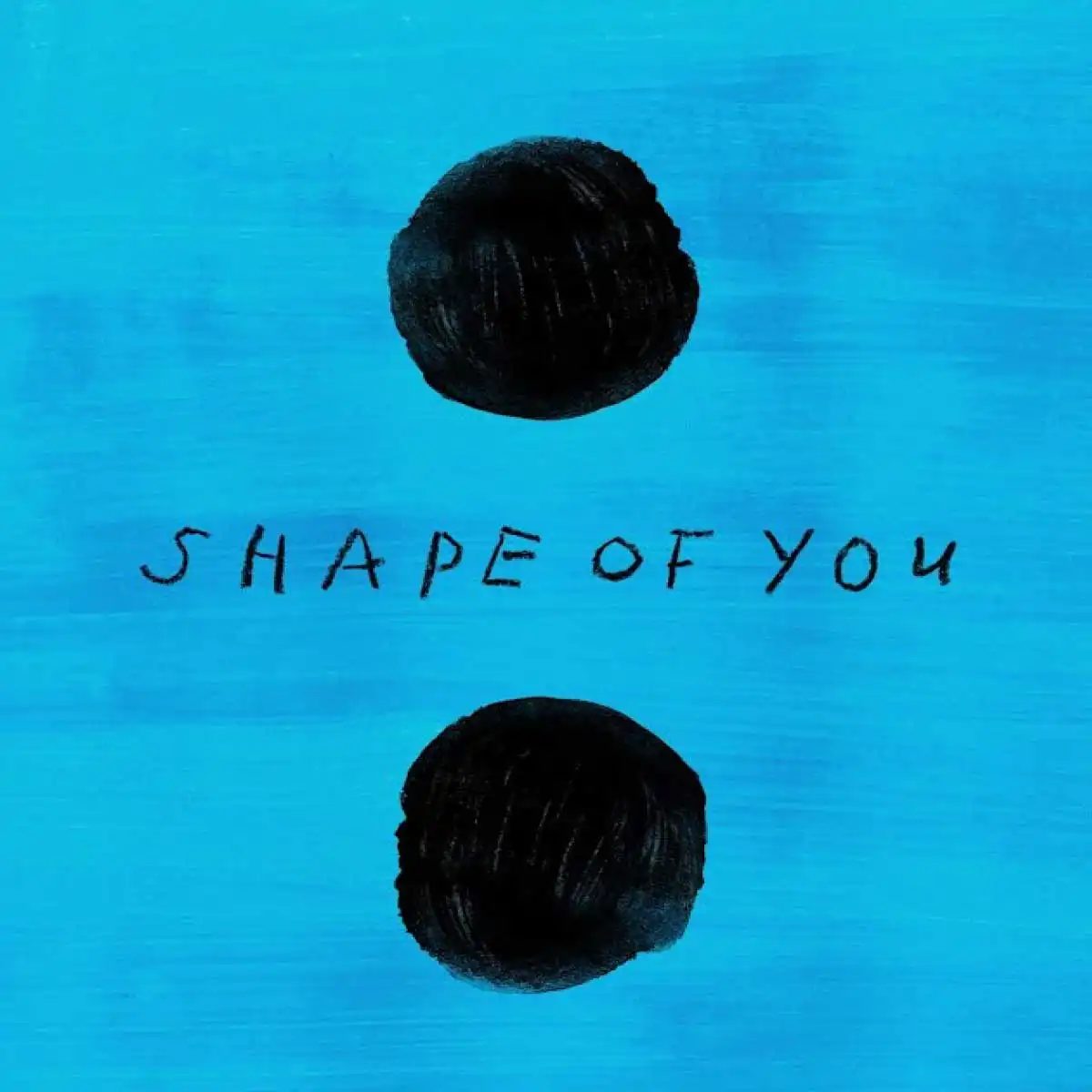
1. Shape of You – 3.496 Billion
The numbers don’t lie. Ed Sheeran’s “Shape of You” didn’t just climb the charts. It broke the ceiling. We are talking about 3.496 billion streams on Spotify. That’s not just a hit. It’s a cultural event. The sheer volume of plays proves one thing. The song has a gravity all its own. It pulls listeners in and keeps them there.
This isn’t just about Sheeran’s vocal talent. Although that helps. It’s about the song’s specific, almost hypnotic appeal. The marimba-driven beat. The lyrics that feel like a confession. It hits a sweet spot in the human brain. A place where catchy meets meaningful.
But the music industry doesn’t stand still. You can’t rest on a single record. Not even one this big. The competition is fierce. The next contender is already breathing down his neck.
3. Blinding Lights – 3.472 Billion
The race tightens. The Weeknd’s “Blinding Lights” sits at 3.472 billion. It’s close. So close. The gap between the first and third place is razor-thin. This song captures the 80s synth-pop revival. It’s nostalgic yet modern. Dark and driving.
Why does this matter to you? Because these tracks define the soundtrack of our daily lives. They are the songs you hear in stores. In elevators. In your morning commute. When a song reaches this level of ubiquity. It ceases to be just music. It becomes background noise for billions of human experiences.
The difference between Sheeran’s pop polish and The Weeknd’s retro-disco is negligible in the grand scheme of streaming dominance. Both are masters of their craft. Both understand the algorithm. Both know how to hook a listener in the first five seconds.
Which one do you prefer? The straightforward pop of “Shape of You” or the moody, neon-lit journey of “Blinding Lights”? It doesn’t really matter. The stats show we love them both. We just stream them differently.

Let’s cut to the chase. “Blinding Lights” isn’t just a song; It’s a cultural artifact that refused to let go of the charts. It succeeds by pulling from two distinct eras: the neon-soaked electronic pop of the 1980s and the smooth, contemporary R&B sounds that define modern hits. The result is dynamic. It feels familiar but fresh.
The Weeknd brings his signature vocal style to the track. It adds depth. There is a raw, emotional pull to his delivery that hooks listeners instantly. But it’s not just about the voice. The lyrics explore an internal conflict—loneliness, desperation, or perhaps just the chaos of nightlife. Pair that with a rhythmic, repetitive chorus and you have a hypnotic effect. You can’t help but move. Or just sit there and stare.
The numbers back up the hype. The track has now been streamed a staggering 3.472 billion times. It’s not just popular. It’s historic. That kind of longevity in the streaming era is rare. Most songs burn bright and fade. This one stayed hot for years.
3. Dance Monkey – 2.827 Billion
Tones and I’s “Dance Monkey” holds the number three spot with 2.827 billion streams. The contrast with The Weeknd is stark. Where “Blinding Lights” is polished, synthesizer-heavy, and cinematic, “Dance Monkey” is raw, percussive, and built around a unique vocal performance. It captures a different kind of obsession.

“Dance Monkey” topped not only Spotify but also many music charts around the world. This success is a testament to Tones and I’s talent and creativity. With its energy and uniqueness, the song has become a center of attraction, bringing together people of all ages and musical tastes. It ranks 3rd on our list with 2.827 billion streams.
4. Someone You Loved – 2.801 Billion

5. Rockstar – 2.684 Billion
Post Malone – Rockstar, which ranked 5th on Spotify’s most listened to songs list, reached 2.684 billion plays. This track, released in 2017, has an extremely impressive structure that stands at the intersection of modern hip-hop and pop music. Reflecting Post Malone’s signature style, Rockstar managed to leave a strong echo in the audience by presenting melancholy and pride together.
The song creates a dark and intimate atmosphere. Malone’s voice moves in a tone that is both sad and confident. This emotional contrast increases the universal appeal of the song. Direct phrases like “I’m f***ing high” make the theme of the music clear. Listeners often feel the tension between loneliness and success when listening to this song.
This record on Spotify is not just measured by the number of streams. Rockstar has become a cultural icon. It is frequently used on social media. It constantly appears in TikTok videos and playlists. This shows how deep-rooted the song is in the digital age.
This success of Post Malone started a new wave in the music industry. Artists who appeal to large audiences but have a unique voice came to the fore. Rockstar is one of the clearest examples of this trend. The production of the song is also remarkable. Minimalist yet effective, each instrument is carefully placed.
This number of streams also reinforces the artist’s global impact. Every day, a new generation of listeners discovers Rockstar. Especially among the young audience, the song is accepted as a kind of anthem. Therefore, it is not surprising that it remained in the top 5 on Spotify charts for a long time.
“Rockstar is not just a song, it is a document that summarizes the emotional state of a generation.”
The lyrics of the song reflect the inner monologue of someone who is crushed under the burden of success. This realism makes it easier for the listener to connect. Nobody is perfect. Nobody is completely happy. Rockstar acknowledges this fact.
The Spotify algorithm also keeps this song in constant recommendations. It has become one of the first stops for new users. This increases the discoverability of the song. All in all, 2.684 billion streams is a tangible indicator of success. But more importantly, the song is still alive.
When we move on to the next item on the list, we will encounter a different energy. But for now, Post Malone – Rockstar remains a constant part of the charts.

6. Sunflower – 2.675 Billion
The difference between the number two name on the list is only half a billion streams. “Sunflower,” which followed “Rockstar,” remains one of the most consumed tracks in the library, having been streamed 2.675 billion times on Spotify. This figure is not just a number. Concrete evidence that millions of people globally listen to the same song over and over again.
This track, which was created in collaboration with Post Malone and Swae Lee, was prepared for the movie “Spider-Man: Into the Spider-Verse”. It was originally included in the soundtrack of the movie “Spider-Man: Into the Spider-Verse” (2018). This connection played a critical role in transforming the song from just a pop song to a cultural phenomenon. The connection to the film allowed listeners to perceive the song in a deeper context.
“Sunflower” offers a completely different vibe than the hard-hitting hip-hop energy of “Rockstar.” It’s lighter. More melodic. Post Malone’s characteristic tone fits perfectly with Swae Lee’s melodic vocals. This combination offers listeners a calm atmosphere. The structure of the song encourages repeat listening. Because it’s not annoying. On the contrary, it has an enveloping texture.
Why is it listened to so much?
The answer is simple. The song can fit into any moment of the day. Waking up in the morning. While driving in the car. While looking for peace in the evening. It appeals to a universal emotional state. If “Rockstar” is a storm, “Sunflower” is a sunset. Both are successful. Both are big. But the success of “Sunflower” lies in the music itself, along with the impact of the film.
This track also reveals the breadth of Post Malone’s musical range. It doesn’t just stay within the boundaries of trap or rock. It intertwines elements of pop, R&B, and even indie pop. This diversity makes it attractive to different demographic groups. Youth. Adults. Movie buffs. Music lovers. One of the rare pieces that can appeal to all.
Spotify’s algorithms love these types of songs. Because users listen for hours. It doesn’t jump. “Sunflower” perfectly reflects this pattern of behavior. The listener wants to complete the song before moving on to the next song. This sends positive signals in the platform’s recommendation systems. As a result, more people are reached. More rest. The cycle continues.
whose

“Sunflower” is not just a song, it is a phenomenon that reflects the consumption habits of the digital age. The combination of Post Malone and Swae Lee worked like a button pressed a billion times in the Spotify library. It topped the charts with 2.675 billion streams. Its energy is light, and its lyrics are so catchy that the listener can relate to the song as soon as they hear it. This is one of the great success stories of modern pop music.
So, what is the mechanism behind this huge number?
One Dance – 2.648 Billion
Drake’s “One Dance” was just one step behind, coming in at number two with 2.648 billion streams. This number wasn’t enough to break Post Malone’s record, but it proved his lasting impact on the music industry.
Why did “One Dance” become a global hit?
The success of the song is not a coincidence. Its blend of Afrobeats and dancehall rhythms with a modern pop infrastructure captured the global audience without disturbing them. Drake’s vocals spoke directly to the ear, regardless of the complex nature of copyright and licensing processes.
How streaming algorithms favor these tracks
Spotify’s algorithm rewards tracks that are listened to again, added to playlists, and instantly forgotten. “Sunflower” and “One Dance” met each of these criteria perfectly. Users preferred to run these songs in the background. This is the economic equivalent of the behavior called “passive listening”.
Which factors drive billions of streams?
- The short duration of the song: The double piece has a short and effective structure, rather than a long-winded opera.
- Playlist compatibility: They have become indispensable for lists used by large audiences, such as “Chill Vibes” or “Party Mix”.
- Social media interaction: The samples used in TikTok and Instagram Reels extended the life of the songs.
These songs are proof that music is no longer consumed just by ear, but through screens and algorithms. The listener consumed the emotion, not the artist.
As a result, streaming figures in the billions are a win for accessibility rather than talent. Post Malone and Drake are not ahead of the trend, they are the trend. So, from which rhythm will the next billion song be born?

It wasn’t just luck. Drake’s dominance on One Dance comes down to a specific, almost alchemical blend of skills. The track works because it forces his rap flows and singing voice into the same space. It doesn’t feel forced. It feels like an evolution. The song reflects a deeper curiosity in his music. He isn’t just repeating formulas. He is testing boundaries.
The energy is infectious. You hear the beat and you’re pulled in. The melody sticks. It’s a masterclass in pop construction disguised as a dance track.
Then there is the data. One Dance hit a staggering 2.648 billion plays on Spotify. That number isn’t just big. It’s historic. It cemented Drake as a streaming monster. But he isn’t alone at the top of the charts.
8. Stay – 2.577 Billion
Rudimental and MNEK deliver a different kind of power. Stay isn’t about subtle evolution. It’s about impact. The track sits at number eight on the all-time list with 2.577 billion streams.
The difference between these two hits is stark. One Dance is smooth. It’s atmospheric. It relies on the Amapiano-inspired groove that Drake pioneered in mainstream pop. Stay, by contrast, is an anthem. It’s built for stadiums. The production is heavier. The vocals from MNEK are raw.
Why does this matter?
Because it shows the range of what goes viral. One Dance proves that slow-burn, genre-blending tracks can dominate for years. Stay shows that high-energy, emotionally charged songs can accumulate billions just as fast. Both are valid strategies. Both are effective.
Drake’s track benefits from his ability to crossover audiences. It bridges hip-hop and dancehall seamlessly. Rudimental’s track leans into drum and bass roots but packages it for radio. The result is similar: billions of plays.
The gap between them is only about 70 million streams. In the world of streaming, that’s a rounding error. It’s negligible. It suggests that the tier of “super-hit” is very crowded. Breaking into it is hard. Staying there is harder.
Drake’s legacy is secure. But Rudimental and MNEK are right there with them. The charts don’t lie. The numbers don’t lie.

Spotify’s book of digital age music records is being rewritten every day. The joint project of The Kid Laroi and Justin Bieber, “Stay”, left an indelible mark on the memory of the platform and reached 2.577 billion streams. This figure is not just a statistic; proof of the global influence of modern pop music. The song shows how deeply listeners can connect.
“Stay” has an energetic and addictive structure. The combination of two talented people offers the listener both a modern sound and a passionate performance. Kid Laroi’s powerful and touching vocals blend with Justin Bieber’s characteristic emotional tone, adding a unique depth to the song. This collaboration gives a clear answer to the question of why it is listened to again and again by so many people.
Closer – 2.546 Billion Streams
“Closer”, which comes right after it on the list, achieves a similar success and climbs to the top with 2.546 billion streams. The difference between these two giants is only 30 million. So, why is Closer listened to so much?
“Closer”, a joint work by Neon Dreams and The Chainsmokers, stands at the point where EDM meets pop music. The song dominated radios and playlists when it was released in 2016. Hoyt’s vocals integrate so well with the electronic production that they immediately draw the listener into the rhythm.
Why Closer?
– Unique Vocal Tone: Neon Dreams’ (Hoyt) voice adds personality to the song.
– Production Quality: The Chainsmokers’ signature style makes the song unforgettable.
– Application to a Broad Audience: Suitable for both dance floors and daily listening lists.
“Stay” and “Closer” are more than just among the most listened to songs on Spotify, they are cultural phenomena. These songs show how music consumption is changing. While we used to listen to a song on the radio, now it is listened to over and over again, anytime, anywhere, on every device.
Spotify’s algorithms show how quickly it churns out such hits. When users search for “most listened to songs on Spotify”, these names appear. This is one of the most important turning points in the digitalization process of the music industry.
“Music is no longer produced just to be heard, but to be shared and listened to again.”
Closer
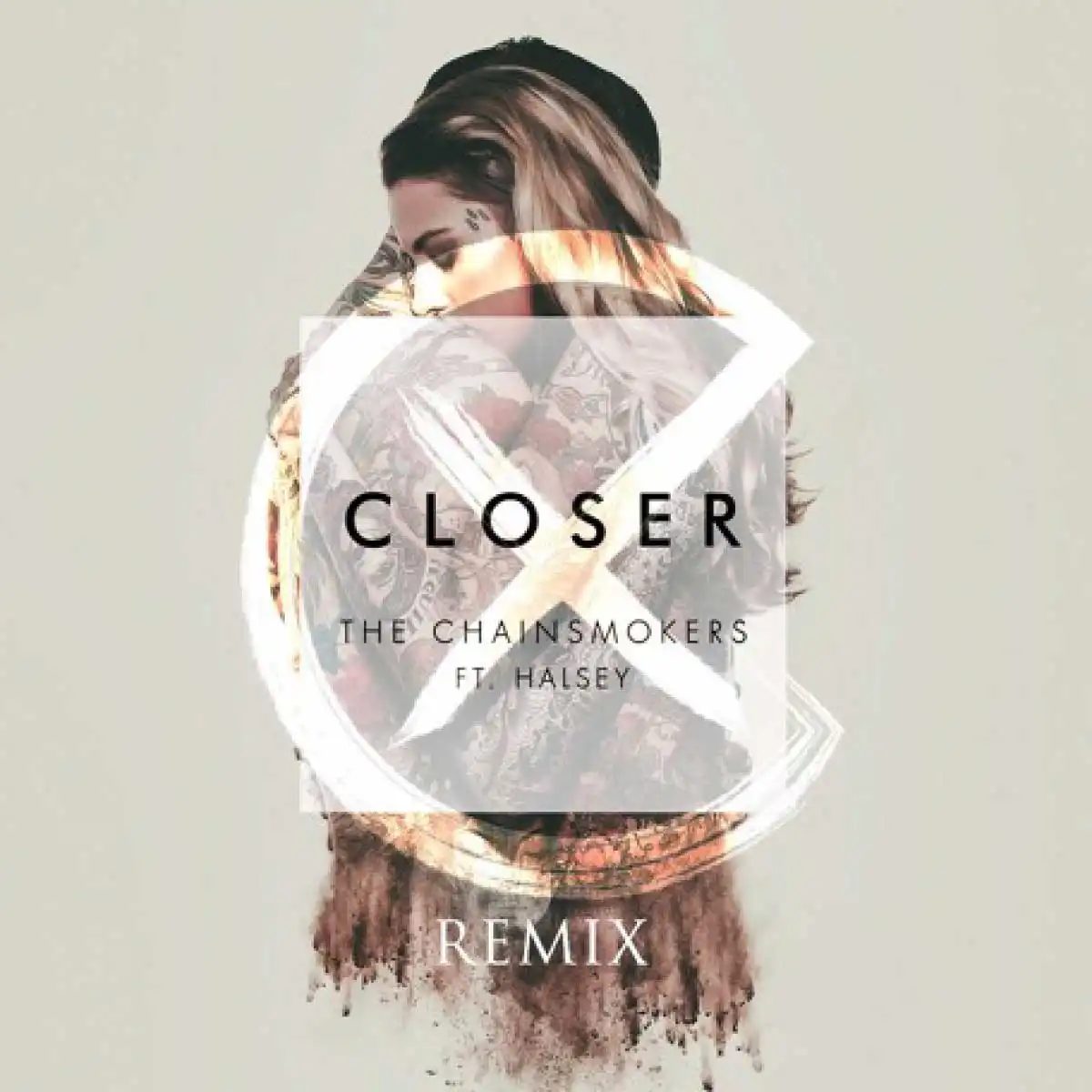
He made Spotify history with Closer, which he released in collaboration with The Chainsmokers and Halsey. The song is at the top of the list, having been listened to 2.546 billion times since its release. This number is not just a number; It’s proof of how powerful electronic dance music and pop intersect. When Chainsmokers’ signature production touches come together with Halsey’s harsh and clear vocals, the result is a modern, catchy and completely addictive track. Its energetic infrastructure and passionate atmosphere were the key to its adoption, especially by the young audience.
10. Believer – 2.521 Billion
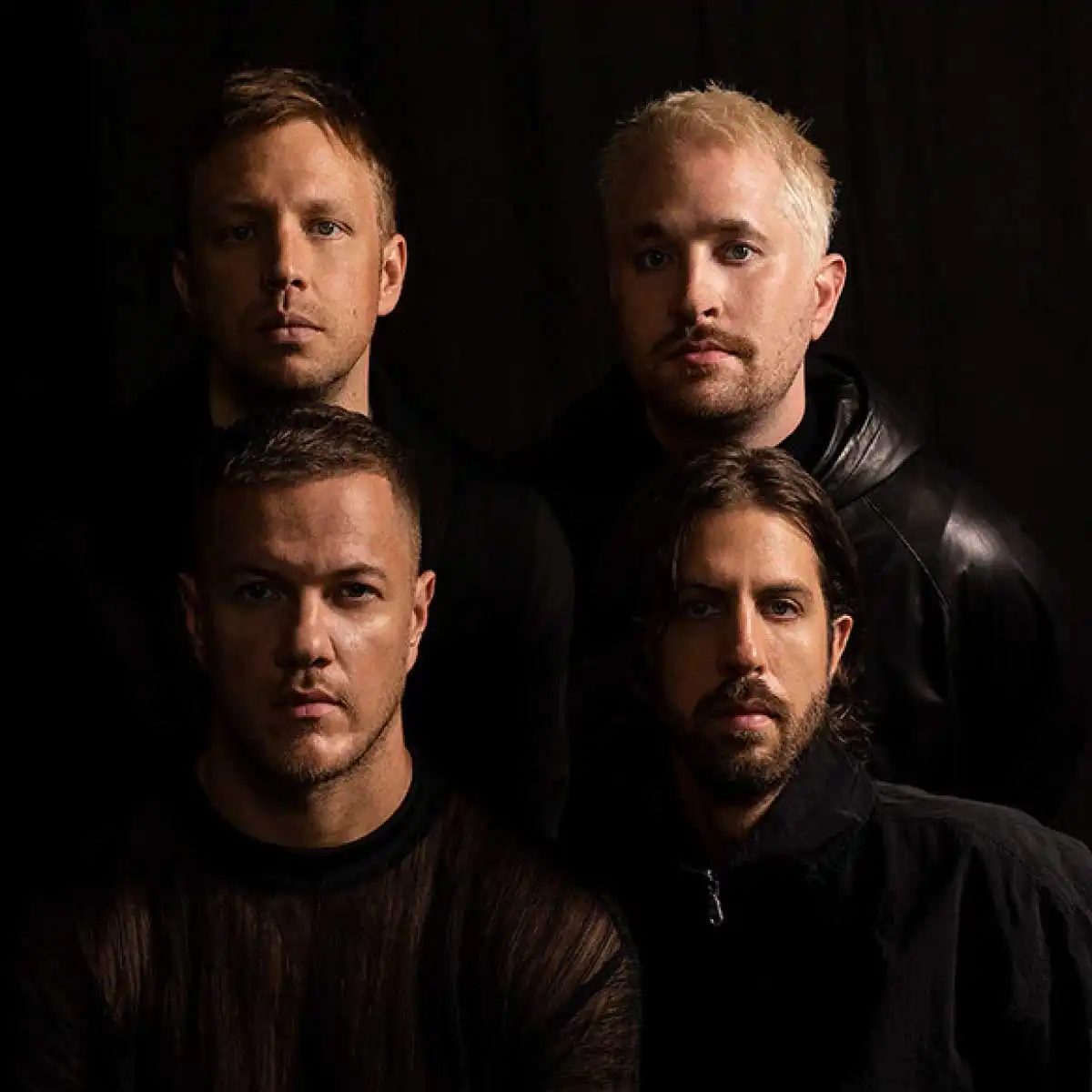
Second on the list, at number ten, is Imagine Dragons’ Believer. This track, which follows Closer, is an indispensable part of playlists with 2.521 billion listeners. Unlike Closer’s more dance and pop-oriented energy, Believer has a heavier, darker and emotionally deeper sound.
Imagine Dragons blurs the differences between alternative rock and mainstream pop with this song. When Dan Reynolds’ vocal performance is combined with the strong background of the song, the effect instantly draws the listener in. The theme of the song; founded on pain, struggle and resistance. For this reason, it becomes a source of motivation rather than just a “song”.
Why is it so popular? Because Believer offers the listener both physical and emotional energy. Bass lines are strong, drum beats are clear. This works for clubs, gyms, or even a personal workout list. Closer’s “passionate” atmosphere and Believer’s “resilient” tone appeal to two different but equally strong needs on Spotify’s most listened to list.
The difference between these two pieces is not just in genre, it also depends on the listener’s current mood. You choose one for dancing and the other for recovery. The rest of the list is based on this balance. Which type is more dominant depends on the mood of that day.
The Algorithm’s Favorite Power Ballad
Believer wasn’t the only track to dominate the charts. It shares the spotlight with a song that feels less like a rock anthem and more like a sonic hug. Perfect sits just behind its high-energy counterpart, sitting at 2.482 billion streams. The number is staggering, but the vibe is completely different.
Ed Sheeran’s ballad relies on string arrangements and a melody that sticks to your ribs. Where Believer screams, Perfect whispers. Yet both achieve the same result: massive, sustained engagement. The contrast highlights how Spotify’s top tracks aren’t just about volume. They’re about emotional resonance.
Why Perfect Endures
The song’s longevity comes from its universal appeal. It’s a wedding staple. A karaoke staple. A staple for anyone needing a moment to breathe. The production is clean. The lyrics are direct. There’s no ambiguity in what the song is trying to do. It aims for the heart and hits every time.
Compare this to the chaotic energy of Believer. One track burns bright and fast. The other lingerie. Both are necessary ingredients in the streaming mix. Listeners don’t just want noise. They want connection. Perfect delivers that in spades. The 2.482 billion plays prove that vulnerability still sells. In an era of hyper-produced pop, a simple piano and voice cut through the static. It’s not complicated. It’s effective. And that’s why it stays on top.

Glass Animals’ “Heat Waves”: Why is it so popular?
Although it could not create as universal an impact as Ed Sheeran’s “Perfect”, Glass Animals’ “Heat Waves” became one of the most enduring songs of recent years. The song has a sad but danceable tone. This contrast causes the listener to both fall in and stand up.
The number of streams of 2.460 billion (more accurately 2.460 million) shows how long-term success the song is. Reaching such a high number on Spotify proves that the song is not just the trend of the moment, but has become a cult track.
Why does it last so long?
“Perfect” made a direct romantic connection. “Heat Waves” is more abstract. Warm, steamy, perhaps an echo of separation or longing. Like Ed Sheeran’s sincere vocals, Glass Animals also attract attention with their sound. However, the meaning of the words is secondary here. The atmosphere is primary.
Such songs are often chosen as background music for videos on platforms such as TikTok. This increases the chances of being discovered. Even if people don’t know the song, they remember the melody.
Which genre does it fall into?
The song is a mixture of indie pop and psychedelia rock. This makes it appealing not only to pop listeners, but also to those looking for deeper music. Compared to Ed Sheeran’s “Perfect,” “Heat Waves” is less direct. More mysterious.
Perhaps this uncertainty brings a different feeling to each listener. Sadness for some. Peace for some. This versatility allows the song to be listened to even after years.
2.460 million streams is not just a number. This shows that the song is embedded in cultural codes.

13. Starboy – 2.452 Billion
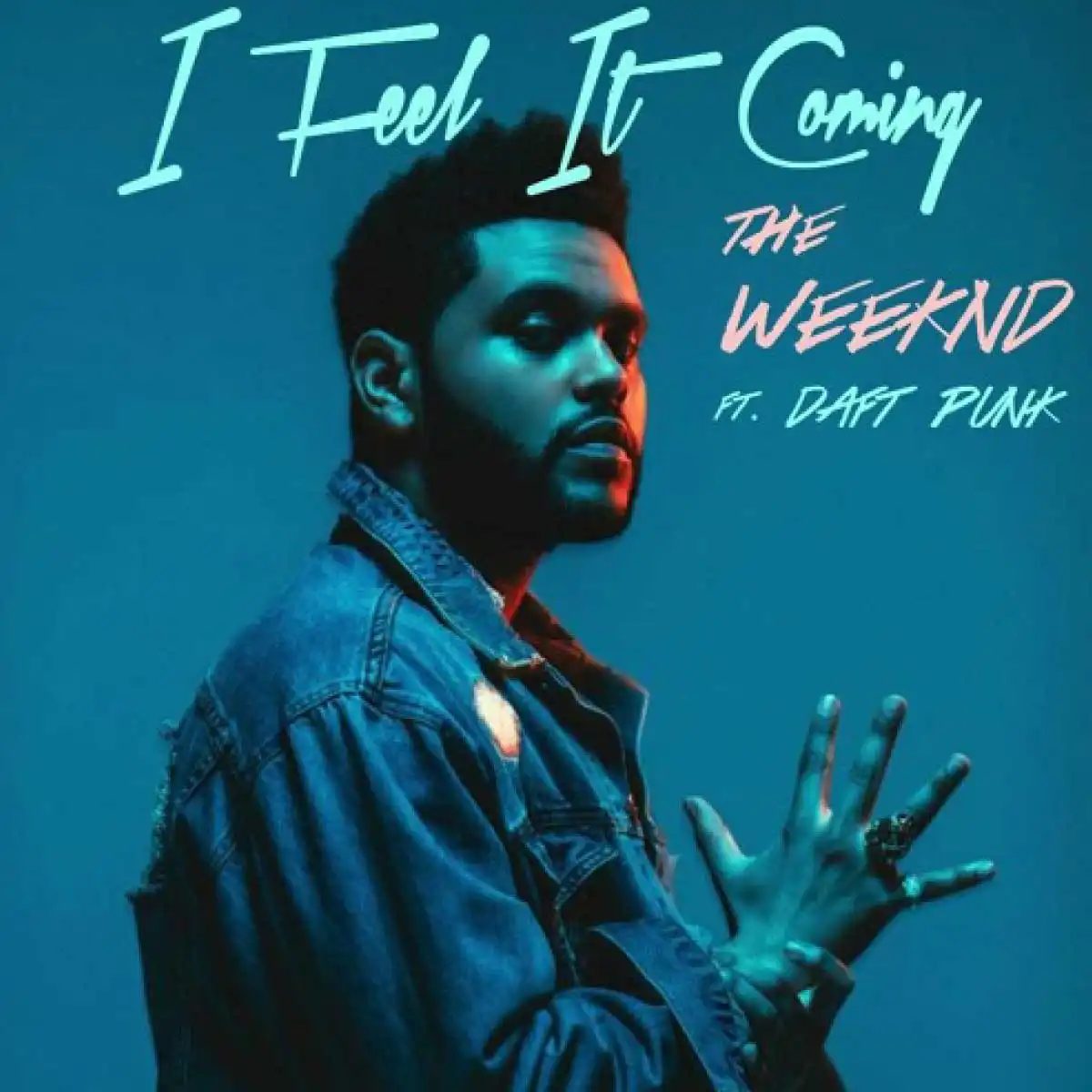
“Starboy” by The Weeknd ft. Daft Punk is one of those tracks that feels like it has been on repeat for a decade. It sits comfortably at 2.452 billion plays. The production is sleek. Cold. Calculated.
Daft Punk’s robotic filters don’t just add texture. They define the mood. The Weeknd’s vocals slide through the mix with a detached coolness that works perfectly against the pulsing bassline. It’s not just pop. It’s electronic R&B with an edge.
Why It Sticks
The song captures a specific era of late-night driving. Neon lights. Empty highways. It’s hypnotic in a way that isn’t quite “Heat Waves” but hits the same dopamine centers. Listeners don’t just hear it. They feel it in their chest.
Streaming Dominance
Spotify counts this track as a titan of modern streaming. 2.452 billion is a number that doesn’t just mean popularity. It means ubiquity. You hear it in clubs. In cars. In playlists designed for “chill vibes.” It bridges the gap between underground electronic sounds and mainstream radio hits.
The Production Detail
Notice the synth work. It’s minimal but heavy. Every note has space. That’s why it ages well. Trends change. Production styles shift. But “Starboy” relies on a solid groove and a strong hook. It doesn’t need gimmicks. It just needs the beat to drop.
Comparison to Other Hits
Unlike “Heat Waves,” which leans into dreamy, lo-fi aesthetics, “Starboy” is polished to a high gloss. It’s sharper. More aggressive in its delivery. Yet both tracks share a common trait: they use electronic elements to create an atmosphere rather than just a backdrop. That’s why they dominate charts. That’s why they stay in rotation.
Where It Fits Now
Years after release, the song hasn’t faded. It’s still being added to new playlists. Still being sampled. Still influencing newer artists who want that blend of moody vocals and synthetic beats. It’s a benchmark for how electronic pop can be done right. Not overproduced. Not undercooked. Just right.
The Human Element
Behind the technology and the streams, there’s a feeling. nostalgia Or maybe just the memory of a good night. That’s what keeps people coming back. The song doesn’t ask for much. It just plays. And you listen.
Shaking off nearly 150 million streams to sit just behind The Weeknd, “Señorita” has become a streaming juggernaut. It is hard to argue with the numbers. The track sits at 2.437 billion plays, a figure that cements its status as one of the most consumed songs in modern digital history.
The chemistry between Shawn Mendes and Camila Cabello is palpable. You hear it in the way they trade verses and harmonize on the chorus. The song leans heavily into Latin pop influences without losing its mainstream polish. That balance is why it sticks in your head. The melody is simple enough to sing along to after one listen but complex enough to sustain repeated plays.
Why Latin Pop Dominates the Charts Now
“Señorita” did not just happen by accident. It tapped into a broader cultural shift. The late 2010s saw Latin sounds moving from the margins to the center of global pop. This was not a fleeting trend. It was a structural change in how music was consumed.
The song’s success highlights several key factors:
- Cross-cultural appeal : English lyrics mixed with Spanish phrases and rhythms made it accessible yet exotic.
- Collaboration power : Two massive stars from different genres (pop and pop-Latin) combined their fanbases.
- Visual storytelling : The music video added a layer of narrative that encouraged viewers to engage deeper with the track.
This formula has since been replicated, often with varying degrees of success. But few have matched the sheer velocity of “Señorita.” It became a staple at parties, a TikTok trend, and a radio mainstay. The question is not whether it was popular. It is why it lasted.
The Mechanics of a Viral Hit
Streaming platforms reward retention. “Señorita” kept listeners engaged through its bridge and outro, sections where many pop songs falter. The production by Stuart White and Justin Tranter ensured that every element served the hook. The bassline drives the song forward. The percussion provides a tactile rhythm that demands movement.
Camila Cabello’s vocal delivery adds vulnerability. Shawn Mendes brings a sense of yearning. Together, they create an emotional arc that feels complete in three minutes and thirty seconds. It is a masterclass in pop songwriting.
“The most successful songs are those that feel inevitable.”
This quote often comes up when discussing “Señorita.” Listeners felt they had heard it before, even if they hadn’t. That familiarity is dangerous. It can make a song feel generic. In this case, it made it universal. The song does not ask for much from the listener. It just asks you to feel something.
Comparing to Other Top Streams
When you look at the top 15 most-streamed songs, “Señorita” holds its ground. It is not just about the numbers. It is about consistency. The song maintained high play counts over months, not just weeks. This suggests it had staying power. It was not a flash in the pan.
Other tracks on the list often rely on nostalgia or novelty. “Señorita” relied on chemistry and craftsmanship. That distinction matters. It shows that quality still plays a role in the streaming economy. Algorithmic promotion helped, yes. But the song itself did the heavy lifting.

15. Say You Won’t Let Go – 2.361 Billion
If you look at the passionate Latin pop atmosphere that Señorita creates, the mechanism behind it is actually much simpler. Shawn Mendes and Camila Cabello’s vocals are so well aligned that the instrumentation itself is almost erased. But when the song ends, your feet are still covered in rhythm. This is masterful craftsmanship in making the listener dance. Energy is high. The rhythm is moving. Conclusion? Memorable.
What about Say You Won’t Let Go, which came in with 2.361 billion streams?
While James Bay climbed his list with this song, he chose the opposite energy. Less explosion. Less dancing. But more passion.
Why is it listened to so much?
It’s not just the quality of the song. It’s a matter of when people listen. Say You Won’t Let Go is acoustic guitar based. It starts with just one instrument. Then the shots come. Then that boy’s voice.
People turn on such tracks to “calm down”. Not for “getting sad”. Sadness is a separate category. Bay’s song is more for “withdrawal” moments.
What kind of impact does it create?
- Minimalist layout: No complicated production.
- Natural vocals: No conductor markings. There is also a mistake. This makes it humane.
- Nostalgic feeling: Reminds me of 90’s soft rock but modern.
Comparison: Latin Pop vs. acoustic rock
Comparing Señorita to Say You Won’t Let Go is actually an odd choice. Both are high on the charts. But listener profiles are different.
The first is the party. The second is the midnight car.
Señorita begins with Camila Cabello’s characteristic tone. Shawn Mendes lends support on the high notes. They both embrace the song. This unites the listener with a common feeling. Excitement.
Say You Won’t Let Go stands alone. James Bay. Just sound. Just guitar. This draws the listener into a personal dialogue. “How did I feel when he told me that?” It makes you ask the question.
Which is better?
Both of them. But for different purposes.
First, log out. Consider the latter.
Which Platform is More Popular?
Both songs are indispensable in playlists on Spotify. But the differences are obvious here too.
Señorita appears more frequently in playlists such as “Latin Hits” or “Party Mix”

2.361 billion rests. This number is not just a statistic, it is evidence of a global phenomenon. This work by James Arthur managed to capture the hearts of millions of people while climbing to the top of the music charts. What’s the secret to success? Depth. That special feeling that arises when sincerity and romance intertwine.
Arthur does not tell an ordinary love song. It tells a true story in depth. It invites the listener to an emotional journey. Every line in the lyrics reflects a real emotion, not artificial. This sincerity attracts the listener. It becomes easier to dive into romantic memories of the past and establish a personal bond accompanied by warm melodies.
How Does the Song Discovery Mechanism Work in Spotify?
So how does such a powerful song get listened to millions of times? The answer most likely comes through Music discovery and recommendation systems on Spotify. The algorithm analyzes not only popularity but also listener behavior. By listening to a song repeatedly, users encounter other tracks with similar emotional profiles.
Spotify’s recommendation engine doesn’t just filter based on genre. It also takes into account emotional tone, tempo changes, and even closeness to the lyrics. This song by James Arthur met the right audience at the right time within these complex data sets.
Why Does This Song Make a Difference?
Many modern hits are notable for their production quality. But this piece highlights the human factor. People are looking for a language that can express themselves rather than flawless productions. The mixture of sadness and hope in Arthur’s voice fills this void.
In the music industry, “virality” is often an instant trend. However, this song managed to go beyond the trend and create a cultural resonance. Listeners open not only their ears but also their hearts. These types of bonds are essential for long-lasting success.
User Behaviors and Algorithmic Interaction
The rise of a song on Spotify is far from random. How often users press the “repeat” button is the strongest signal for the algorithm. 2.361 billion streams indicate millions of people have this song in the background, featured lists, or custom playlists.
suggest
Spotify seems like one of the locked doors of the music world. It contains tens of millions of songs. It’s easy to click through. But really understanding what you are listening to and not getting lost in that library is another matter. To solve this, Spotify doesn’t just match text. He does a really in-depth analysis.
Explore panel and weekly feeds
The “Discover” tab on the home screen does not appear by chance. Everything you see here is based on your listening history. If you’re listening to rock, metal or indie rock tracks start to leak in. The system tracks which genres you like, which playlists you open over and over again. As a result, it offers potential new artists that will expand your musical horizons.
Beyond that, there’s the “Weekly Discovery” feature. This list, renewed every Monday, has been produced specifically for you. It doesn’t just repeat songs you loved in the past. It balances trendy new releases as well. So you get an experience that is both familiar and fresh. This list gives a strong signal about exactly what you need that week.
Real data behind the algorithm
The recommendation system is not simple. A complex structure running in the background processes user behavior. Not only your likes, but also the frequency of your listening, the songs you skip, and even the time you listen to music can play a role.
The system combines two main data sets.
1. Personal data: Your history.
2. Collective data: The behavior of other users with similar tastes.
If a group of people are listening to similar songs in the same order and they all liked a new song, that song might also make it to your recommendation list. This is called “collaborative filtering”, but don’t get hung up on the technical terms. The logic is: “People who think like you liked it.”
Similar artists and dynamic lists
Spotify is not a static library. An organism in constant motion. The “Similar Artists” feature revolves around a name from your favorites. If artist A attracts you, he’ll recommend artist B because their listener bases intersect.
Also included are “Recommendations For You” playlists. These are not just limited to your past. Popularity curves, viral songs, and trending music in your location (country/city level) are also filtered. So you neither hear only your own echo nor completely