

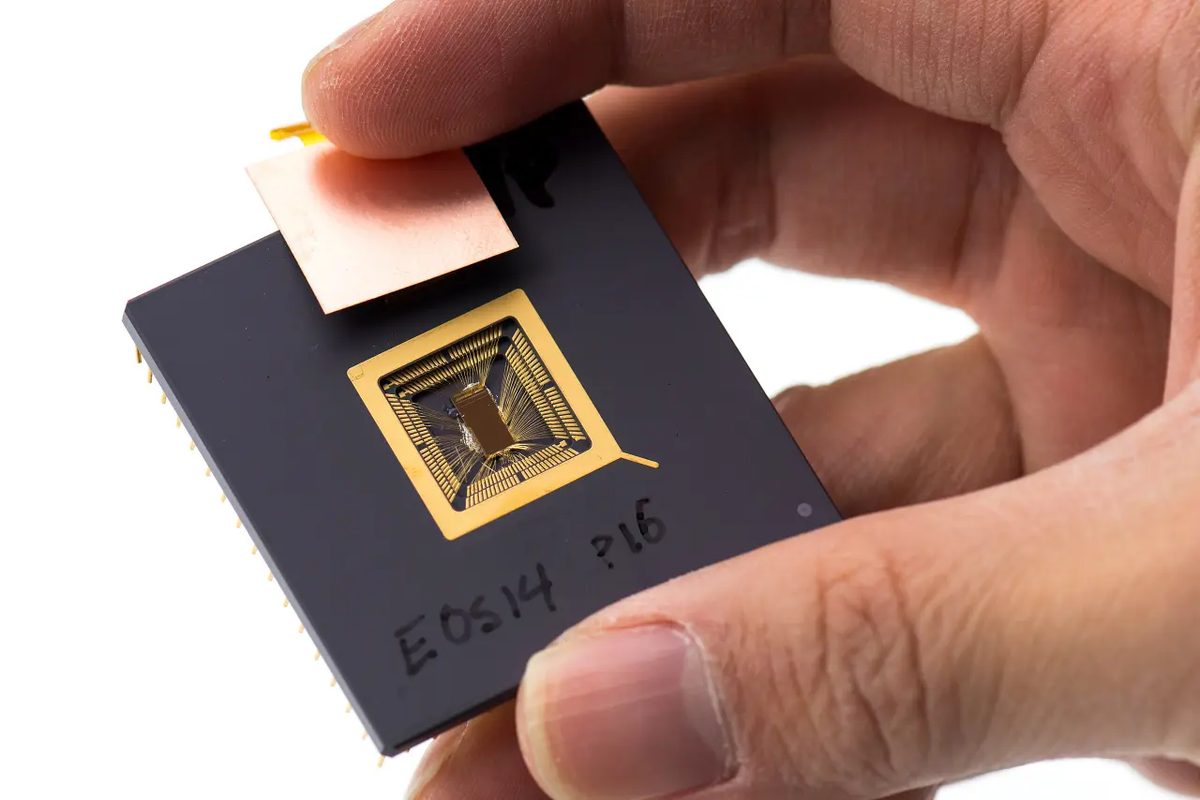
You probably know x86 and ARM. They power almost everything in your pocket, from the smartphone in your hand to the laptop on your desk. Before them, there were heavyweights like SPARC, VAX, Z80, and the 6502. These older architectures defined computing in the 1980s and 90s. But RISC-V is different. It is not just another chip spec. It is a free alternative that changes who can build processors.
How RISC-V differs from x86 and ARM licensing
Here is the catch with standard processor architecture. Instruction Set Architectures (ISA) are intellectual property. They are licensed. If Apple or Qualcomm wants to build a chip that speaks ARM, they have to pay ARM Ltd for that right. It is a gatekeeping mechanism. You need permission to use the code that tells the processor what to do.
RISC-V breaks that model. It is an ISA based on RISC principles, meaning a reduced instruction set computer. That design philosophy keeps things simple and efficient. But the big difference is the license. It is open source. It is free to use. No fees. No permission slips from a single company holding the keys.
Where did RISC-V come from?
It started in 2010. The location: University of California, Berkeley. The team was not just faculty. It included volunteer contributors who had no formal affiliation with the university. This academic origin explains why the project felt less like a corporate product and more like a shared community effort.
People pronounce it “risk-five.” It sounds simple. And the architecture is. But the implications are not. When you can design a processor without paying licensing fees, the barrier to entry drops significantly. This opens the door for startups, research labs, and hobbyists who could never afford an ARM license.
Why does this matter to you? Because it shifts power away from a few giants. It allows for more specialized chips tailored to specific tasks, like AI inference or IoT sensors, without the heavy overhead of traditional licensing models. The ecosystem is still growing, but the foundation is solid.
The core value of RISC-V is not just the code, but the freedom it grants to hardware designers.
This is not a finished product. It is a platform. And platforms grow as people build on them. The next part will dive into how this actually looks in practice and who is betting on it right now.

RISC-V International and the push for commercial stability
The governance structure matters as much as the silicon. To make RISC-V attractive to businesses and large institutions, the official RISC-V Foundation was formed to own, maintain, and publish the architecture definition. It recently rebranded as RISC-V International, with headquarters in Switzerland. This move signals a shift toward long-term stability. Companies need a stable foundation to build products on. A loose consortium often fails under the weight of commercial pressure. A centralized body in Switzerland helps mitigate that risk.
Why the architecture avoids legal landmines
Technically, RISC-V is not trying to reinvent the wheel. It follows established RISC principles and uses a load-store architecture. There are no wild innovations here. The design is deliberately conservative. That conservatism is the point. By sticking to established norms, RISC-V does not violate any known patents. This is a massive advantage. It removes the legal uncertainty that has plagued other open architectures in the past. You can build a chip without worrying about a patent troll showing up later.
From microcontrollers to supercomputers: The ISA variants
Like most Instruction Set Architectures (ISAs), RISC-V comes in 32-bit and 64-bit variants. This range matters. It allows the same core design to power tiny embedded microcontrollers. It also scales up to desktop PCs and even supercomputers with vector processors. One ISA covers the spectrum. That is efficient.
Compilers and OS support you can actually use
Software support is already there. You do not need to write assembly by hand to get started. Several language compilers support RISC-V. The most notable is the GNU Compiler Collection (GCC), a very popular free software compiler. This means C and C++ code can be compiled for RISC-V targets today. On the operating system side, Linux supports RISC-V in both 32-bit and 64-bit configurations. If you run a standard Linux distribution, you can already boot it on RISC-V hardware. The toolchain is mature enough for real-world development.


