
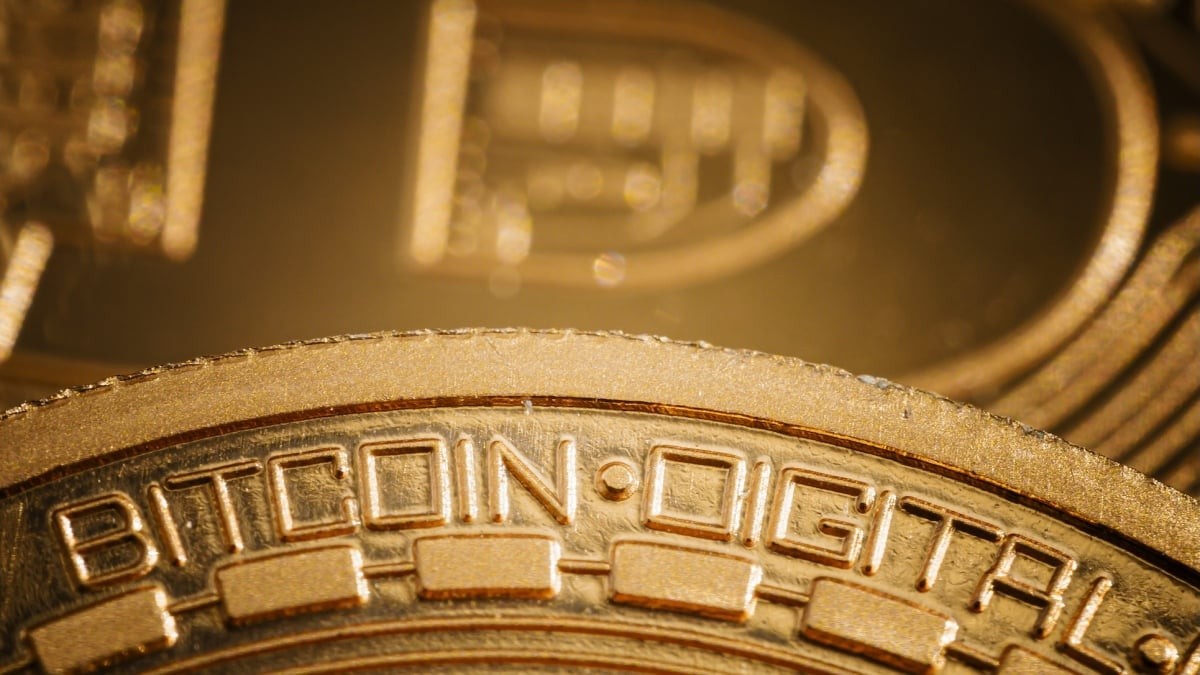
The identity of Satoshi Nakamoto, the pseudonymous creator of Bitcoin, remains one of the greatest mysteries of the digital age. This is not merely a matter of historical curiosity; it is a question of immense financial stakes. If Satoshi is still alive, they likely control roughly $68 billion worth of Bitcoin.
Recently, a high-profile investigation by The New York Times attempted to solve this decade-old puzzle, pointing the finger at British cryptography expert Adam Back. However, the claims have been met with firm denials and skepticism from the crypto community.
The Accusation: AI and Body Language
The investigation, led by renowned journalist John Carreyrou—famous for exposing the Theranos fraud—proposes that Adam Back is the person behind the Satoshi pseudonym. The case against Back relies on two primary pillars:
- Linguistic Patterns: Using AI to analyze early cryptography mailing lists, the investigation noted that both Satoshi and Back shared similar vocabulary and a specific habit of misusing the words “its” and “it’s.”
- Behavioral Analysis: Carreyrou suggests that Back’s body language in a recent HBO documentary regarding Satoshi’s identity raised suspicions.
The Defense: Cognitive Bias and AI Hallucinations
Adam Back has responded to these claims with calm dismissal, arguing that the investigation ignores the nuances of human behavior and technology.
Back contends that the linguistic similarities are a result of “cognitive bias.” As a veteran in the cryptography field, it is only natural that his posting style would overlap with Satoshi’s, given they were discussing the same highly specialized topics. Furthermore, he highlights a critical flaw in the investigation’s methodology: the inherent tendency of AI to “hallucinate” or find patterns where none actually exist.
Addressing the financial aspect, Back expressed no regret over not mining Bitcoin in 2009, noting that “hindsight is always 20:20.” More importantly, he argues that the mystery is actually beneficial for the ecosystem.
“I also don’t know who Satoshi is,” Back stated. “I think it is good for Bitcoin that this is the case, as it helps Bitcoin be viewed as a new asset class, the mathematically scarce digital commodity.”
Why Anonymity Matters for Bitcoin
The quest to unmask Satoshi is a recurring theme in the crypto world, often fueled by “con artists” or documentary filmmakers looking for a breakthrough. However, there is a structural reason why Satoshi’s anonymity is vital to Bitcoin’s success.
If a single person were identified as the creator, Bitcoin could be perceived as a centralized project controlled by one individual. By remaining anonymous, Satoshi has allowed Bitcoin to function as a decentralized network. This anonymity reinforces the idea that Bitcoin is a neutral, mathematical protocol rather than a product owned by a person or a corporation.
As Back summarized in a recent post: “We are all Satoshi.”
Conclusion
While investigative journalists continue to hunt for the creator of Bitcoin, the identity of Satoshi Nakamoto remains unproven. Ultimately, the lack of a central figure serves to strengthen Bitcoin’s status as a truly decentralized and mathematically scarce digital asset.