Tim Cook is stepping down. John Ternus is next. The throne changes, but the mystery doesn’t.
Folding phones? Touchscreen Macs? Robotic HomePads? Maybe. All these rumors swirl through the ether, but right now the real puzzle isn’t the hardware. It’s the brain behind it.
Apple is reportedly working on a trio of new wearables: smart glasses, a camera pendant, and AirPods with cameras. Throw in the existing iPhone and Apple Watch ecosystem, and you’ve got a crowded table. Too crowded, maybe, for an operating system that hasn’t quite figured out how to tie them together with intelligence.
Everyone else is screaming about AI. Google just did a two-hour sermon on it. Apple? Crickets.
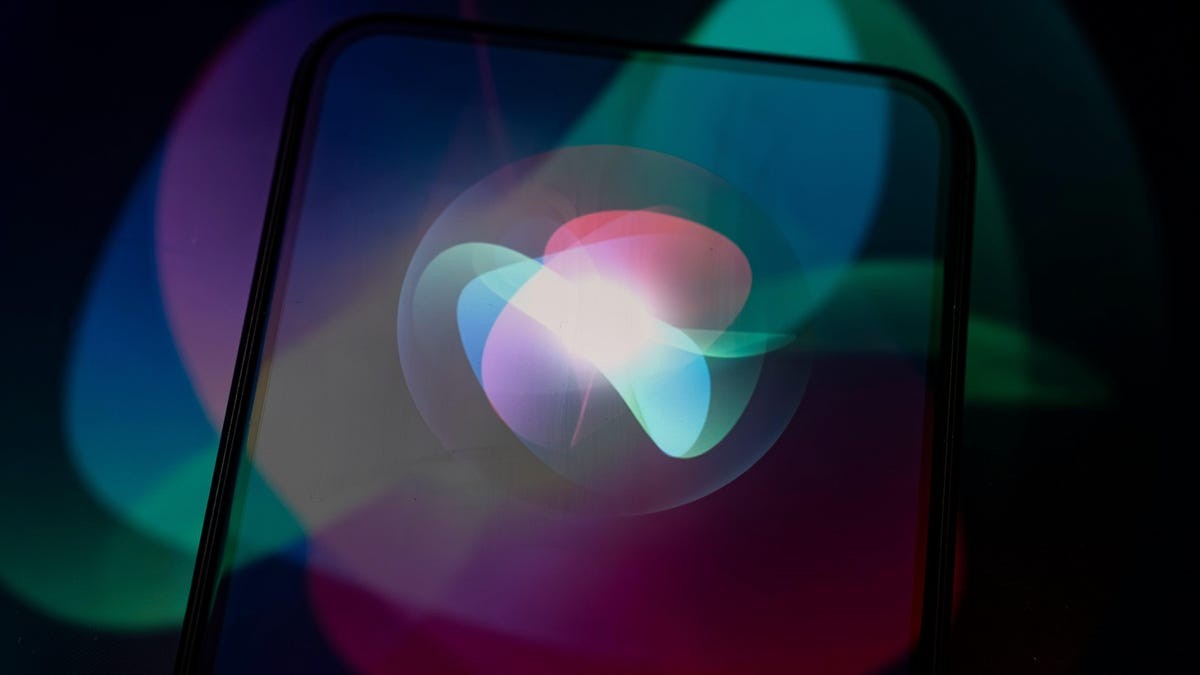
The cat is already out of the bag though. Back in January, they admitted Siri is partnering with Google’s Gemini. Now WWDC is here. The developer conference. This is the stage where they’re supposed to show us the rope they’ve tied themselves to. Or if it’s going to be a tightrope walk.
The AI Gap
Do I love AI? Hardly. The energy waste alone is grotesque. But look at what’s coming. Glasses that need to see. Pendants that need to hear.
This isn’t just about chat bots anymore. It’s about awareness. Cameras watching your life, voice recognition that doesn’t sound like a robot choking, and deep text analysis that rivals what other platforms offer.
Apple hasn’t built this yet. They promise privacy, yes. They promise no subscription hikes, maybe. But they haven’t built the engine.
Could they run it locally? Sure. The Mac Mini is basically a DIY server farm now. iPhone chips are faster every year. The Apple Watch gets beefier too. There is a path to doing this on-device, away from the cloud’s greedy maw. But right now, the visual intelligence layer is missing.
Basic stuff? They have that. Real, multimodal vision? No.
Look at the Apple Vision Pro. It’s a sensor-heavy brick with an M-series chip powerful enough to run advanced assistive services. Yet it lacks the camera-aware AI features Samsung and Google already dropped on the market. The hardware is there. The software is asleep.
Hardware vs. Intelligence
It’s a two-part lock. Apple needs the devices ready to use the AI. But it also needs the AI to actually do something useful with them.
Mark Gurman says those glasses won’t arrive until the end of 2023… wait, no. 2027. That’s far. But the AirPods? Those could drop by year’s end.
Think about what those earbuds could be. Right now, Meta, Google, and Samsung are making glasses that translate languages live. They describe rooms to blind users. They identify objects in real time. All of it leans on AI.
Camera-equipped AirPods? They’d need Siri to handle that data. Maybe Apple limits it early on. A slow roll-out. But eventually, those features need a home.
What about the Apple Watch?
It’s right on your wrist. It knows your health. It sees your heart rate spike before you do.
Google’s already analyzing health data on Fitbit Air. Why is Apple waiting?
The Watch could respond to voice commands that actually make sense. Not the limited menu options of today, but fluid, context-aware conversations. It could use gestures—flicks, taps, maybe more complex motions later. No camera needed for that part. Just movement and intent. It’s the perfect prototype for how the earbuds and glasses should work.
WWDC will likely hint at things. It might even show something new. But it probably won’t fix the whole mess overnight.
I’m going to watch this closely. I’ll see what Ternus’ team has cooked up. For now, though, the silence is louder than the rumors.