London. Wednesday morning. The air in the room was thick with anticipation, not just because Spider-Man showed up to hype things up, but because Samsung is throwing the kitchen sink at the foldable market again.
Three new phones. Two new watches. A glimpse into the future of AR glasses.
It was a lot to take in. If you’re trying to figure out which device actually earns the upgrade from your current gear, here is the breakdown of every new device unveiled at this year’s Galaxy Unpacked event.
Samsung Galaxy Z Flip 8: Smaller, Cheaper, and Actually Better
Let’s start with the entry-level option because it’s the one that matters to the majority of people who actually want a foldable.
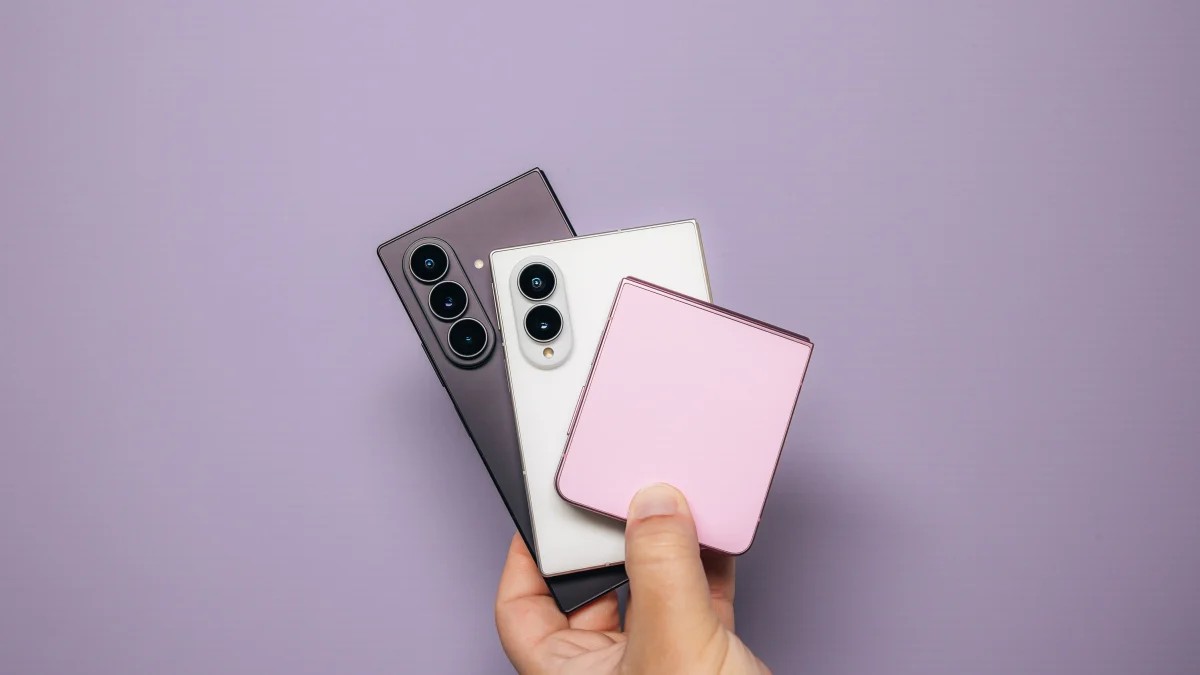
The Samsung Galaxy Z Flip 8 is the most affordable new foldable Samsung has ever released. Starting at $1,199, it’s also the cutest. You can get it in pink, cream, graphite, or mint. It looks good. That counts for something when you’re holding a fragile slab of glass in your hand all day.
The design philosophy hasn’t shifted much, which is a relief. It’s still a clamshell. You have a small 4.1-inch external display for quick glances at notifications and a larger 6.9-inch internal screen for doing actual work.
But look closer at the specs and you’ll find the real story.
Samsung managed to make the Z Flip 8 12% smaller than its predecessor, the Z Flip 7, while shaving off 8 grams of weight. They achieved this by implementing Flex Titanium technology across the hinge. The result? The fold is less visible to the naked eye and, presumably, more durable over time.
Performance is where the real leap happens. Last year’s model relied on a comparatively weak Exynos chip. This year? The Z Flip 8 gets the Snapdragon 8 Elite for Galaxy. It’s the same powerhouse found in the more expensive siblings.
You get the same RAM and storage options as last year. The battery size is unchanged on paper. But switching to Snapdragon usually means better efficiency. Expect smoother performance and potentially longer battery life, even if the mAh count looks familiar.
Samsung Galaxy Z Fold 8: A New Name, A New Strategy
If you thought the naming scheme made sense, you’d be wrong.
There is a phone called the Samsung Galaxy Z Fold 8. But here is the kicker: it is not a direct successor to the Z Fold 7 in terms of lineage. It’s a brand-new device sitting between the Flip and the ultra-premium model. It starts at $1,899.
Think of it as the “middle child” of the lineup. It comes in lavender, cream, graphie, and pistachio.
The form factor has changed slightly. The outer cover screen is now 5.5 inches (up from 4.2 on previous generations), giving you more usability without unfolding it. Inside, you’re looking at a 7.6-inch main display.
Samsung is touting this as the “world’s lightest Fold” at 201g. Considering it houses a massive 4,800mAh battery (enough for 26 hours of video playback), that’s a serious engineering feat. The aspect ratio is 4:3, a move thought to mimic the layout of the rumored upcoming iPhone Fold.
The camera array is simpler than the ultra-tier model. We’re looking at two rear lenses: a 50MP main sensor and a 50MP ultra-wide. No telephoto lens here. If you need zoom, you’ll be using digital crops or switching to the Flip’s better setup. But for social media snapshots? The 50MP sensors should deliver decent clarity.
Samsung Galaxy Z Fold 8 Ultra: The Camera King
So, what happened to the Z Fold 7 successor? It arrived under a new name.
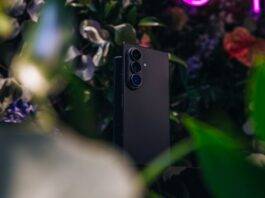
The Samsung Galaxy Z Fold 8 Ultra is the true high-end flagship. Yes, they reused an old name for a new phone and gave a new name to a device that fills a gap. Confusing? Yes. Premium? Absolutely.
It starts at $2,099 and comes in violet shadow, green shadow, cream, or graphite.
Physically, it looks almost identical to the Z Fold 7, which might disappoint purists. But the internals have shifted significantly.
The biggest change? The battery. Samsung bumped the capacity from 4,400mAh up to 5,000mAh. It’s the largest battery in any Samsung foldable yet. They’re promising 27 hours of playback. That is a substantial improvement over last year’s fatigue-inducing endurance.
The camera array is where this phone earns its “Ultra” badge. It retains the 200MP main sensor and 10MP telephoto, but adds a new 50MP ultra-wide camera, upgrading from the 12MP sensor of the past. This makes it the best camera setup Samsung has put in a foldable phone to date. If photography is your priority, this is the device to get.
Galaxy Watch 9 and Watch Ultra 2: Health Tracking on Steroids
Samsung didn’t just bring phones. The smartwatch lineup got a massive update focused heavily on health AI.
The Galaxy Watch 9
- Sizes: 40mm and 44mm
- Price: Starts at $379
Standard fare. You can customize it with endless bands. But under the hood, it’s getting new AI capabilities.
The Galaxy Watch Ultra 2
- Size: 47mm
- Price: Starts at $699
- Battery: 800mAh (huge for a watch)
The Ultra 2 is the beast. It features a peak brightness of 5,000 nits, making it readable in direct sunlight. But the real draw is the health tracking.
The device is doubling down on outdoor activity. A new Trail Run feature tracks elevation and terrain impact for hikers. The existing Sweat Loss data is now paired with Nutrition Alert for real-time hydration advice. And if you’re into freediving, a new Diving app is coming soon to track your depths, leveraging the watch’s water resistance.
Both watches are introducing AI Vitals, which monitors deviations in your baseline health metrics. The AI can also offer insights on sleep disruptions, daily cardio load, and even loud noise alerts to protect your hearing from further damage.
The hardware upgrades are modest compared to the software, but that 800mAh battery in the Ultra 2 suggests this is the watch to buy if endurance is your main concern.
Galaxy Glasses: The AR Future is Quietly Approaching
Finally, Samsung pulled back the curtain on its Galaxy Glasses.
Don’t expect screens. These aren’t the augmented reality glasses that will overlay holograms on your coffee. Instead, they are audio-and-camera focused accessories.
Designed in collaboration with Warby Parker and Gentle Monster, expect at least four distinct styles when they launch this fall.
They run on Android XR. They have speakers, microphones, and a camera. The primary function? Hands-free interaction with Gemini. You’ll talk to Google’s AI assistant while on the go, connected via an Android phone or Wear OS smartwatch.
Battery life is estimated at nine hours on the glasses themselves, with the charging case providing an additional seven charges. It’s a solid baseline, though we’re still waiting for the final price tag.
The Verdict?
Samsung has filled every price bracket.
- Want something small and affordable? Z Flip 8.
- Want a mid-range fold with good battery? Z Fold 8.
- Want the absolute best camera and battery? Z Fold 8 Ultra.
- Want rugged health tracking? Watch Ultra 2.
The lineup is crowded. The technology is maturing. And for the first time in a while, the decision isn’t about whether you should buy a foldable.
It’s about which one you can actually afford to break.
The glasses will have to wait. The phones are here now. Pick your poison.