Design and computer science have always lived in separate silos. Usually. Students study one. Then they study the other. Or worse, they take a weekend workshop to patch the gap later. That’s changing.
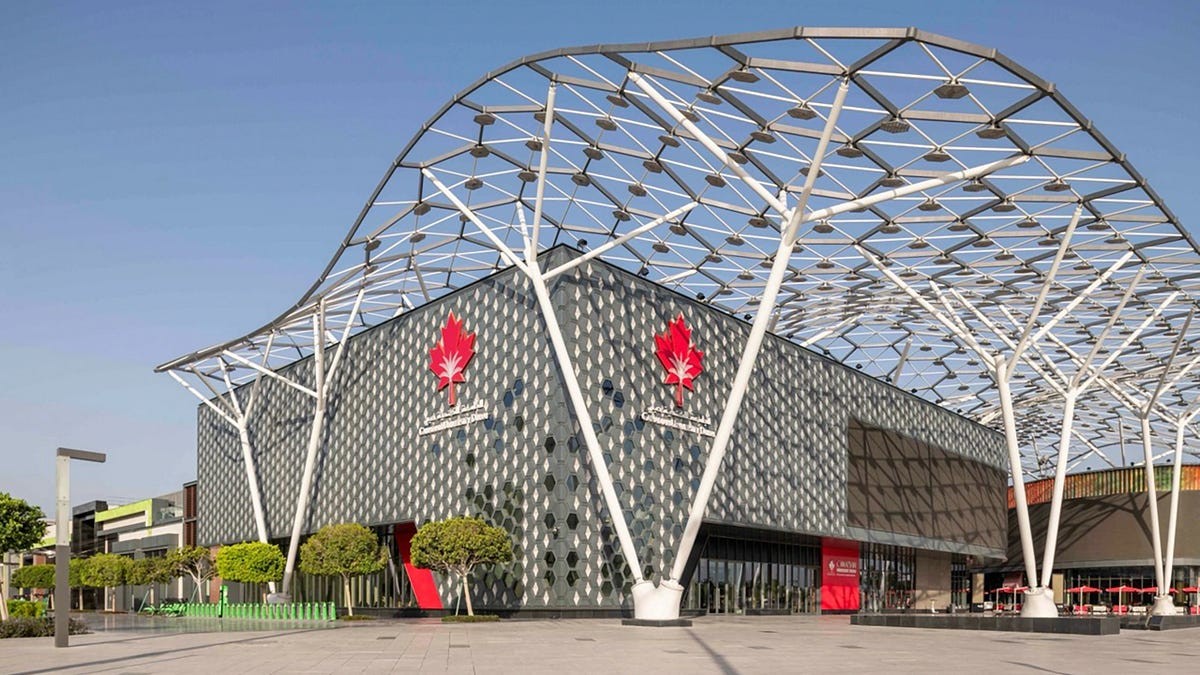
Canadian University Dubai (CUD) is breaking the mold with a new Bachelor of Science in Design and Artificial Intelligence. It’s not a compromise degree. It’s an integration. The BSc in Design and AI merges visual arts, interaction design, and programming with heavy-duty computing and math.
Applications for entry in Fall 2026 are open now.
Why this degree matters right now
Why do universities still treat design as an art form and AI as an engineering problem? That distinction is becoming obsolete. AI-generated visuals and generative tools are standard industry practices. The market doesn’t need designers who can merely use these tools. It needs people who understand the algorithms underneath them.
CUD’s approach flips the script. Instead of bolt-on skills, it teaches a single discipline. Students learn to think computationally while retaining a creative vision. The result? Graduates who can build intelligent products and responsive environments. Not just pretty mockups.
“Equips students with the technical ability, creative vision, and ethical understanding to lead innovation.”
What students will actually study
The curriculum isn’t fluff. It’s rigorous. You won’t just be painting in virtual space. You’ll be writing code. The program covers:
- Visualisation and Interaction Design: How people engage with digital interfaces.
- Human-Computer Interaction (HCI): The psychology of user behavior.
- Programming and Computational Methods: The nuts and bolts of execution.
- AI-Enabled Design Processes: Leveraging algorithms for creative problem-solving.
There is also a strong emphasis on ethics. Because when you automate creativity, you inherit biases. The program addresses social, cultural, and environmental implications head-on. It’s about sustainability, entrepreneurship, and community engagement, not just code efficiency.
Career outcomes and accreditation
Who does this prepare you for? Spatial, product, and service design roles that are rapidly evolving. Graduates will develop digital services that adapt to user needs. They won’t be replaced by AI. They will direct it.
The degree is fully accredited by the UAE Ministry of Higher Education and Academic Qualification (MOHAED). It follows CUD’s established Canadian curriculum model. This isn’t a pilot project. It’s a certified, structured pathway.
Massimo Imparato, Dean of the School of Architecture and Interior Design at CUD, sees this as a leadership opportunity for students. The industry needs professionals who can bridge the gap between creative intuition and technical reality. That gap is closing.
Applications are open for Fall 2026. The question is whether you’re ready to stop choosing between design and data.