The Middle East is undergoing a rapid transformation in artificial intelligence, with the United Arab Emirates cementing its status as a global leader. New data reveals that the UAE now has the highest generative AI adoption rate in the world, driven by aggressive government initiatives and strong private sector growth.
This week’s developments highlight a shift from experimental AI pilots to large-scale, operational integration. From Abu Dhabi-based tech giant Presight reporting significant revenue growth to the federal government planning to deploy “agentic AI” across half of its operations, the region is moving toward a future where AI drives core economic and administrative functions.
Economic Growth and Sovereign AI Infrastructure
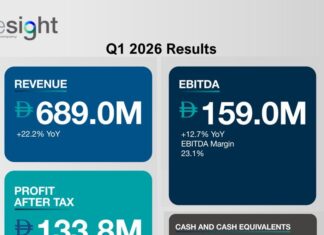
Presight, the Abu Dhabi-based AI and analytics firm, reported a 22.2% year-on-year revenue increase in the first quarter, reaching AED 689 million ($188m). This growth was largely fueled by a 63% surge in international revenue, signaling strong global demand for sovereign AI infrastructure and analytics services.
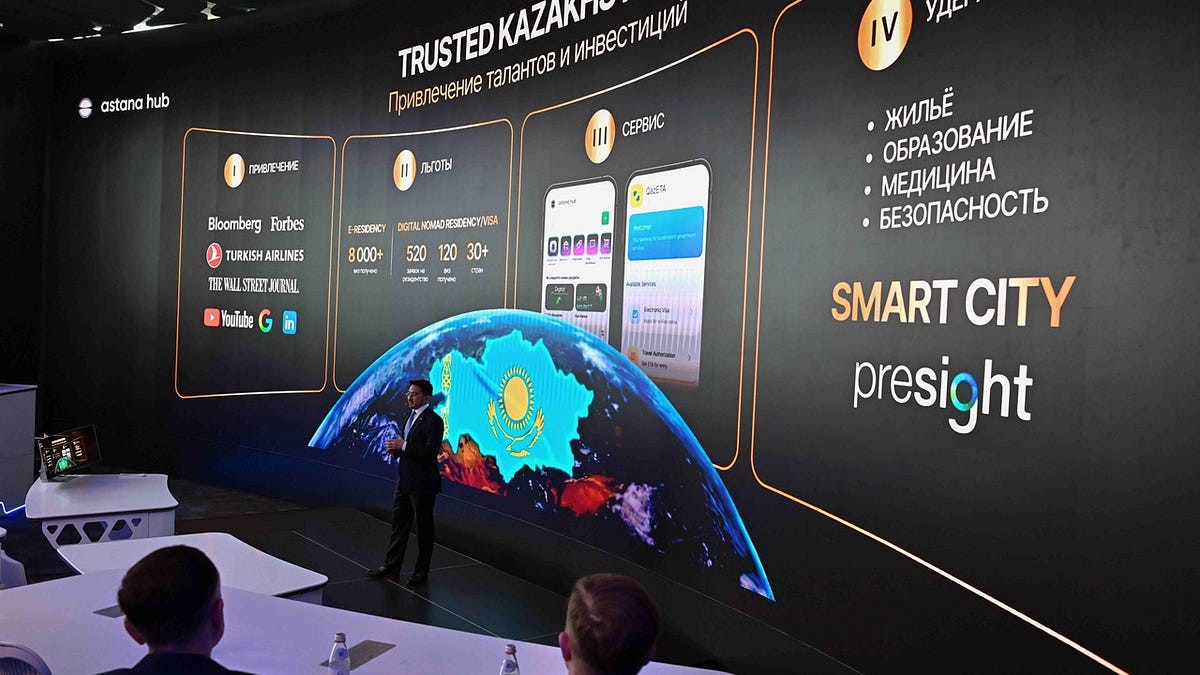
Expanding its footprint beyond the UAE, Presight signed a major agreement with the city of Almaty, Kazakhstan, to develop an AI-powered urban operating system. This project will integrate transport, public safety, and municipal infrastructure into a single real-time data center, supporting sovereign AI capabilities for the city.
The Rise of Agentic AI in Government
The UAE government is moving quickly to implement agentic AI —systems capable of autonomous decision-making and task execution. Less than three weeks after cabinet approval, Prime Minister Sheikh Mohammed bin Rashid Al Maktoum reviewed plans to deploy agentic AI across 50% of government sectors, services, and operations within two years.
Simultaneously, Vice President Sheikh Mansour bin Zayed Al Nahyan chaired a ministerial council meeting to assess federal readiness. The council focused on:
* Implementation roadmaps for agentic models.
* New AI policy proposals.
* Workforce upskilling initiatives to support the transition.
This rapid deployment reflects a strategic push to enhance administrative efficiency and public service delivery through advanced automation.
Global Leadership in AI Adoption
According to Microsoft’s AI Economy Institute, 70.1% of the UAE’s working-age population now uses generative AI tools, the highest rate globally. This widespread adoption is reshaping corporate governance and consumer behavior.
- Corporate Accountability: A Dataiku study found that 79% of UAE CEOs believe their positions are at risk if their organizations fail to deliver measurable AI results by the end of 2026. This highlights intense pressure from investors and boards for executives to lead effective AI strategies.
- Consumer Trust: While 50% of MENA consumers are open to using AI-powered shopping agents, privacy concerns and payment security remain significant barriers to broader adoption, according to Checkout.com.
Regional Expansions and Strategic Partnerships
Beyond the UAE, other nations in the region are accelerating their digital transformations through strategic partnerships and homegrown innovations.
Morocco signed three new digital partnership agreements to modernize public services, focusing on AI, open data, and anti-corruption systems. The country is also deploying a homegrown Edge AI system, T3 Shield by startup SensThings, across 2,000+ examination centers to detect electronic cheating devices.
South Korea and the UAE deepened their cooperation on AI infrastructure and semiconductors. The strategic alliance aims to combine Korea’s expertise in energy-efficient AI and chips with Emirati investment, specifically supporting the UAE’s planned Stargate AI Data Center Campus.
Sector-Specific Innovations
Healthcare & Education
* MBZUAI graduated its largest class yet—140 AI specialists from 23 countries—in machine learning, robotics, and computer vision.
* M42 and Diaverum launched kidney.com, a free, multilingual AI platform providing personalized guidance for chronic kidney disease management across five countries.
Infrastructure & Industry
* du and steel manufacturer AGPC deployed an Industrial AI Vision Platform at KIZAD, using AI for quality inspection and real-time production intelligence in steel pipe manufacturing.
* CentaureAI, a spin-out from the Technology Innovation Institute (TII), launched a platform that converts CCTV and IoT sensors into real-time operational intelligence networks for smart cities.
Arabic AI & Language Tech
* Myndlab (by Permus Software House) launched the region’s first native Arabic AI application builder, allowing users to create enterprise-ready apps from single Arabic or English prompts.
* Yasi One launched a next-generation Arabic-enabled AI platform in Abu Dhabi, developed in partnership with Italy’s Synapsia and UAE-based Aion Global.
* Intella added Swahili support to its Ziila AI assistant, demonstrating seamless switching between Swahili, Arabic, French, and English.
Emerging Ventures
- Egrobots launched the Arab world’s first autonomous agricultural harvesting robot, developed by Egyptian engineers using computer vision and autonomous navigation.
- AppyThings expanded its enterprise AI operations in Saudi Arabia with the launch of AppyThings Arabia in Riyadh, providing cloud architecture and data infrastructure for AI-native platforms.
- Ooredoo Qatar partnered with Microsoft to launch a Strategic Digital & AI Transformation Programme, accelerating its shift toward becoming an AI-powered telecom operator.
Conclusion: The Middle East is transitioning from AI experimentation to large-scale integration, with the UAE leading in both adoption rates and governmental implementation. As sovereign AI infrastructure expands and agentic systems enter public services, the region is positioning itself as a critical hub for global AI innovation and investment.