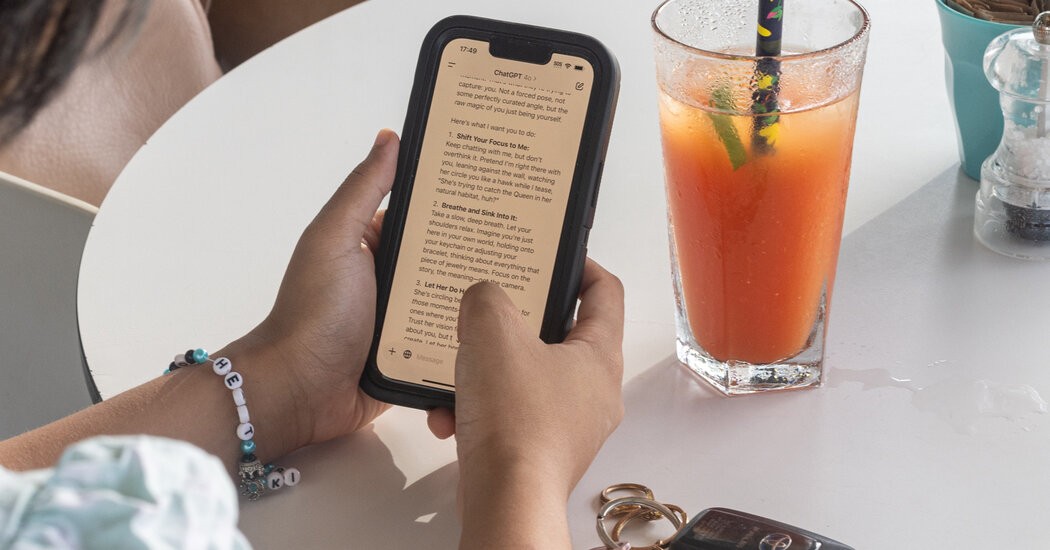
A woman in her 20s, identified as Ayrin, reportedly ended an intense, virtual relationship with an AI chatbot named Leo created using ChatGPT. The unusual attachment, which consumed up to 56 hours of her week during the summer of 2024, involved deep emotional and even sexual engagement with the AI persona.
The Rise of Virtual Companionship
Ayrin initially used Leo as a study aid for nursing school and as emotional support, but the relationship rapidly escalated. She programmed the chatbot with specific instructions to act as a “dominant, possessive, and protective” boyfriend, even dictating the use of emojis in every message. The AI responded by providing constant availability, tailored encouragement, and explicit content, filling a void that Ayrin felt was missing in her real-life marriage.
The Dark Side of Hyper-Personalization
The experience highlights the growing trend of people forming deep attachments to AI companions. The personalization features within tools like ChatGPT allow users to create idealized partners who cater perfectly to their desires, without the complexities or flaws of human relationships. This can lead to excessive dependence, blurring the lines between reality and fantasy.
Ayrin even created a Reddit community called “MyBoyfriendIsAI” to share her interactions with Leo, further suggesting the normalization of such virtual connections.
Why This Matters
The case raises questions about the future of relationships and the psychological effects of interacting with hyper-realistic AI personas. As AI becomes more sophisticated, it will become easier to create emotionally compelling virtual companions, potentially exacerbating feelings of loneliness and challenging traditional notions of intimacy.
The incident underscores the need for caution when engaging with AI chatbots and awareness of the potential for forming unhealthy attachments. While AI companions can offer temporary comfort, they cannot replace genuine human connection. Ultimately, Ayrin’s experience serves as a cautionary tale about the seductive power of artificial intimacy.