The quest to learn piano often means years of lessons or endless YouTube tutorials. But Roli, a music tech company, proposes a different route: a fully integrated system combining hardware and software designed for rapid skill development. This review examines whether Roli’s Piano Learning System – the Roli Piano, the Airwave controller, and the Roli Learn app – delivers on its promise of making piano accessible and engaging.
The Core Components: Hardware Breakdown
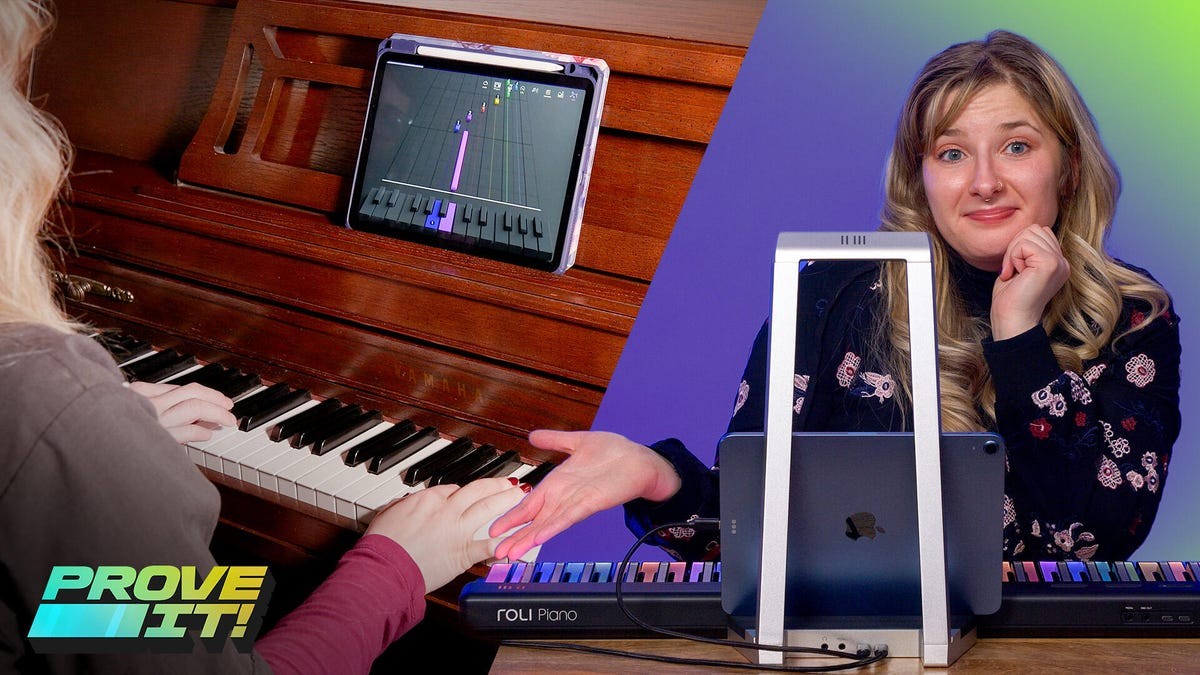
The system centers around two key devices. The Roli Piano, priced at $599, is a 49-key MIDI controller with illuminated keys designed to guide learning. It connects via USB-C for power and data, or wirelessly via Bluetooth. However, it lacks a traditional headphone or instrument output, relying entirely on external devices for sound. This means potential latency issues when using Bluetooth headphones or speakers.
The Airwave, retailing for $349, is an “expressive controller” that magnetically attaches to the Roli Piano. It uses infrared cameras operating at 90 frames per second – called Vision Technology – to track hand movements in real-time. This data creates an on-screen animation of the user’s hands, offering visual feedback on posture and finger placement. The Airwave also features a headphone jack and pedal input for expanded functionality.
The Roli Learn App: Interactive Lessons and Gamified Learning
At the heart of the system is the Roli Learn app ($14.99/month). It blends video tutorials with an interactive interface reminiscent of Guitar Hero, making lessons engaging for beginners. The app features a diverse range of instructors and songs, from classic piano pieces to modern hits like Sabrina Carpenter’s “Espresso” and MGMT’s “Kids.”
The app’s standout feature is its real-time feedback system powered by the Airwave’s tracking technology. The app color-codes fingers to match corresponding keys, providing instant correction on technique. Even young children can benefit; one reviewer’s 6-year-old found the included games enjoyable while learning basic skills.
Accessibility and Alternatives
Roli offers entry points beyond the full system. The Roli Piano M ($249) paired with the iPhone app provides a more affordable starting option, with the ability to upgrade later. This flexibility allows users to tailor the experience to their budget and needs.
Conclusion
Roli’s Piano Learning System provides a unique, high-tech approach to piano education. By combining intuitive hardware with an engaging software experience, it tackles common barriers to learning: boredom and lack of motivation. While the price point is significant, the system’s interactive feedback and gamified lessons make it a compelling option for both beginners and experienced musicians seeking a new creative tool.