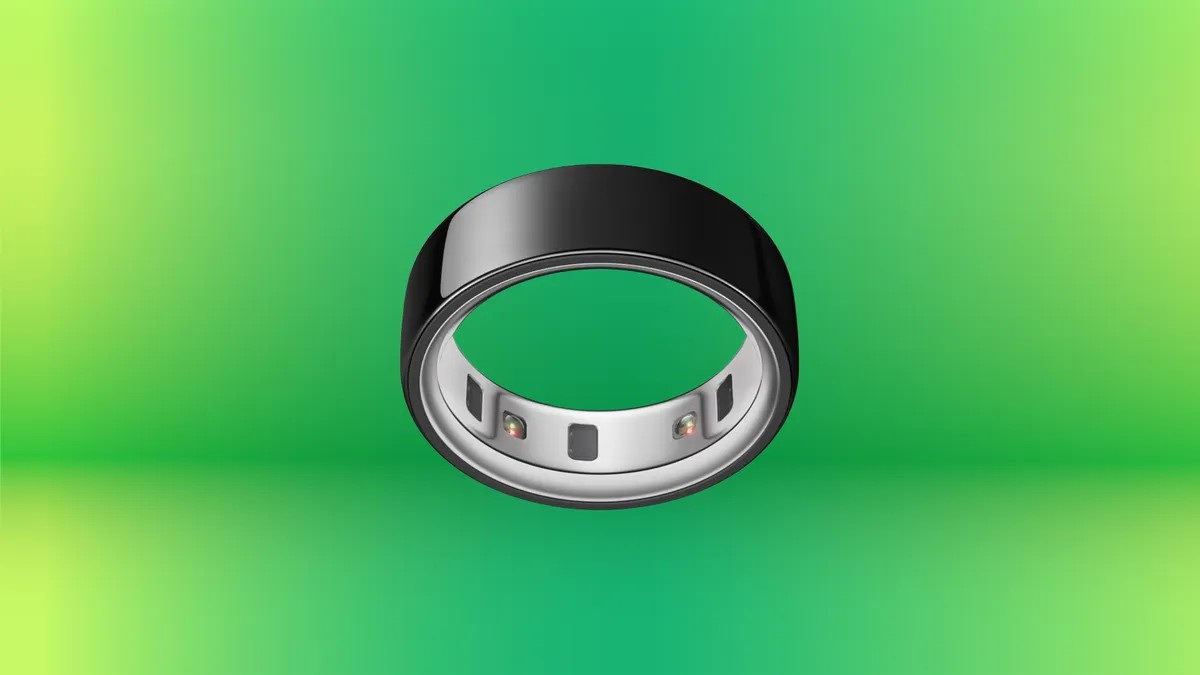
Smart rings are rapidly gaining traction over traditional fitness trackers, with sales more than doubling to 1.8 million units in 2024 and projections reaching 4 million this year. This surge isn’t accidental: many consumers are actively seeking a less intrusive, less anxiety-inducing approach to health monitoring. Oura, the leading smart ring manufacturer, is doubling down on this trend by prioritizing a “calm tech” philosophy.
The Rise of Passive Health Monitoring
Unlike smartwatches that bombard users with real-time data and notifications, smart rings record activity and sleep patterns for later review on a smartphone. This passive approach appeals to individuals weary of constant self-quantification and the potential for obsessive behavior. As Oura CEO Tom Hale explains, the company’s objective is to operate “in the background,” providing insights without triggering unnecessary stress.
The shift is significant: smart rings now account for 75% of all fitness tracker revenue in the US, up from 46% the previous year. This reflects a growing demand for tools that inform rather than command, allowing users to interpret their data without constant pressure to optimize.
Avoiding the Obsessive Loop
Hale acknowledges the pitfalls of hyper-vigilant health tracking. He points out that incessant alerts—such as warnings about elevated heart rates—can induce anxiety rather than promoting well-being. Oura is consciously designing its technology to avoid this cycle. For example, when introducing meal tracking, the company opted for “gentle” feedback rather than punitive ratings, avoiding terms like “bad” to prevent shame-based behavior.
The emphasis is on context, not just numbers. Hale illustrates this by showing a blood sugar spike after eating Portuguese flan, framing it as an observation rather than a condemnation. Oura’s AI-powered advisor reinforces this approach by offering supportive, non-judgmental guidance, such as suggesting a walk after a heavy meal or encouraging social connection.
Behavior Change, Not Just Data Collection
Oura is not solely in the business of measuring bodies; it’s focused on influencing behavior. The company’s subscription model ($6/month) provides access to 40 different activity metrics, but the real value lies in how that data is presented. Oura encourages users to consider the holistic picture—sleep, stress, exercise—rather than fixating on isolated readings.
This philosophy extends to longevity culture, which Hale views with skepticism. Unlike products promising unrealistic life extensions, Oura focuses on tangible improvements through daily choices. The company’s recent ad campaign, featuring active older adults, reinforces this message: live better today, rather than chasing immortality.
Dominating the Market
With over 5.5 million rings sold and an 80% market share, Oura’s success is undeniable. Recent legal victories against competitors further solidify its position, ensuring the company remains at the forefront of this evolving market. Hale’s vision is clear: to innovate beyond imitation and continue refining a technology that prioritizes well-being over relentless self-optimization.
Oura’s approach underscores a simple truth: effective health tracking isn’t about more data, it’s about smarter data, presented in a way that empowers users without overwhelming them.