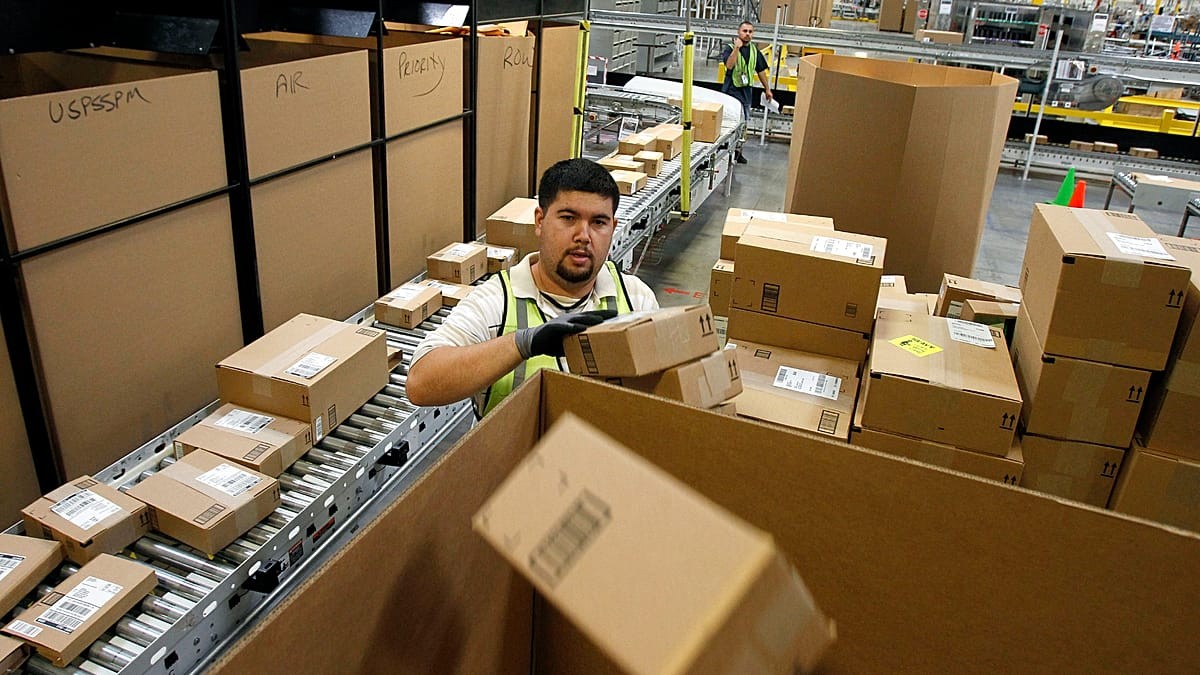
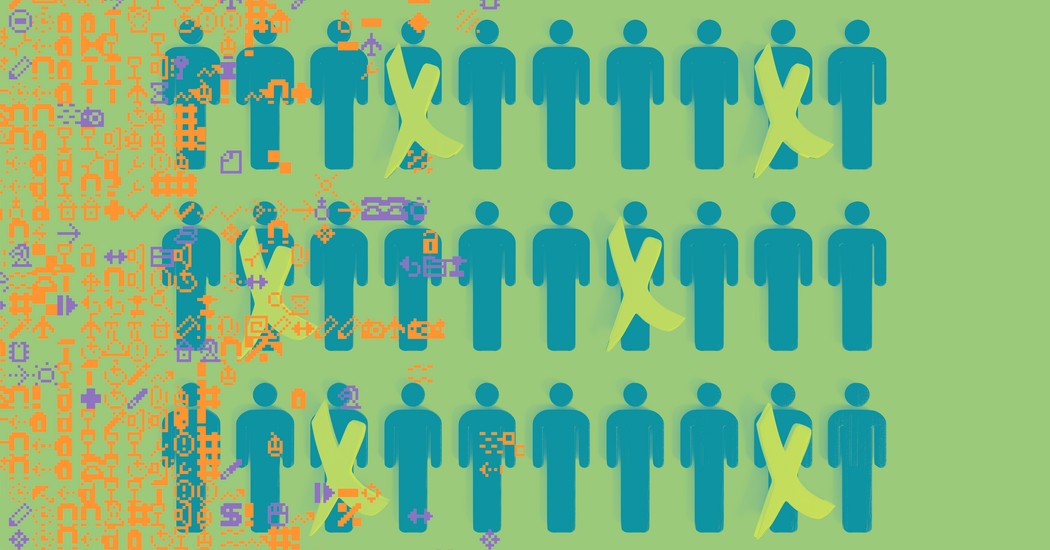
Recent layoffs at major tech companies like Atlassian, Block, and potential cuts at Meta are sparking debate about the role of Artificial Intelligence (AI) in workforce reductions. While some attribute these moves to efficiency gains driven by AI, the situation is likely more complex. The core issue isn’t simply whether AI can replace jobs, but how companies are framing these cuts, with accusations of “AI-washing” – using AI as a pretext for broader cost-cutting measures.
The Reality of AI-Driven Layoffs
Layoffs at Block, for example, were initially presented as AI-related, but internal reports suggest other financial pressures were at play. This raises a critical point: companies may be leveraging AI narratives to justify layoffs that would have happened regardless. The trend highlights a concerning lack of transparency, blurring the lines between genuine AI integration and opportunistic restructuring.
Why AI Still Struggles with Creative Writing
The limitations of Large Language Models (LLMs) in creative fields were discussed with journalist Jasmine Sun. Despite advances, LLMs remain poor at producing truly original or emotionally resonant writing. The key issue is that these models excel at pattern recognition but lack genuine understanding of human experience, nuance, and creativity. They can mimic style, but not invent it. This means that while AI can assist writers, it cannot yet replace them.
The Rise of “Tokenmaxxing”
A disturbing trend is emerging: tech companies are tracking and rewarding employees for maximizing their use of AI tools. This practice, dubbed “tokenmaxxing,” incentivizes quantity over quality, potentially leading to superficial AI integration. The focus isn’t on how effectively AI is being used, but how much it is being used, raising questions about whether this is a genuine push for innovation or a cynical attempt to boost AI usage metrics.
The Bigger Picture
The layoffs, AI limitations, and tokenmaxxing trend all point to the same core tension: AI is powerful, but it’s not a magic bullet. Companies are still grappling with how to integrate it responsibly, and the initial wave of AI-driven job cuts may be just the beginning. The human skill that eludes AI remains crucial—critical thinking, creativity, and emotional intelligence—but the pressure to optimize AI usage is relentless.
The future of work won’t be defined by AI replacing humans, but by how humans adapt to working alongside imperfect AI tools under increasing pressure to prove their value.
This reality demands greater transparency and a more nuanced understanding of how AI is shaping the workforce.