
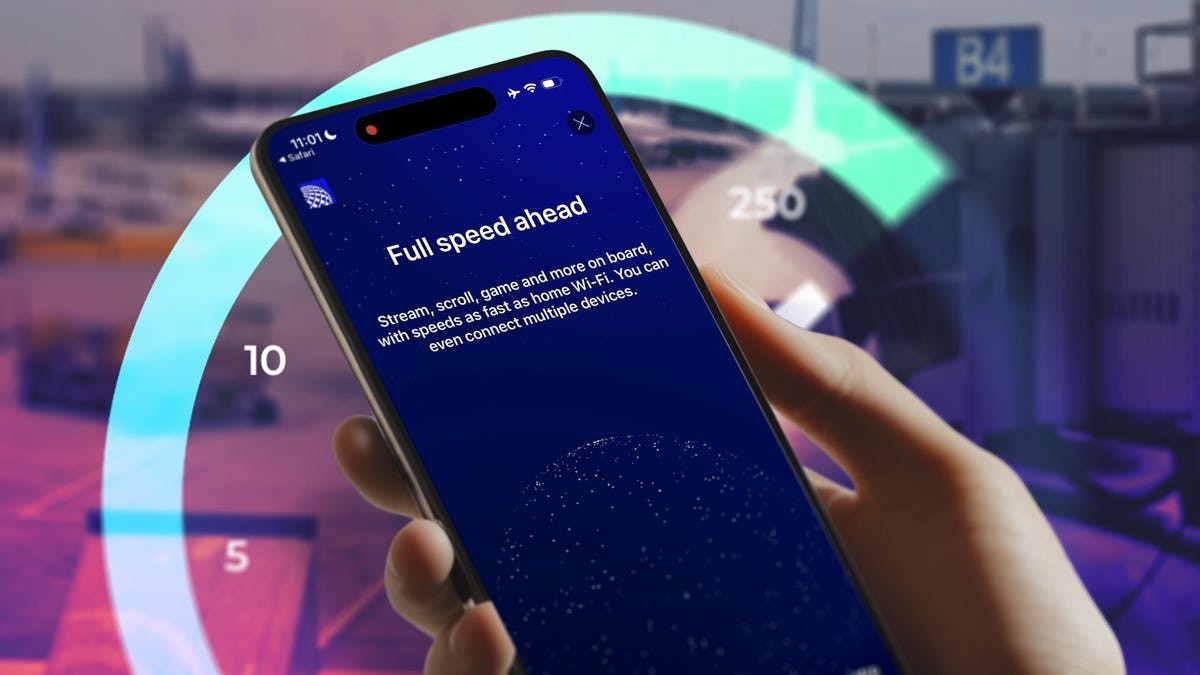
For years, in-flight Wi-Fi has been a frustrating compromise. Slow speeds, unreliable connections, and exorbitant fees have made it more trouble than it’s worth for many passengers. However, United Airlines is changing the game with its rollout of Starlink satellite internet, offering a seamless connectivity experience that rivals home broadband. A recent demonstration flight between Chicago and Minneapolis showcased just how dramatically this upgrade transforms air travel.
The Problem with Traditional In-Flight Wi-Fi
The current state of in-flight Wi-Fi is often unreliable. Passengers frequently encounter slow speeds, dropped connections, and complex sign-in processes. As the article illustrates, even paid services can take nearly an hour to connect, or simply fail altogether. This leaves travelers stuck with limited options: endure the frustration, use expensive mobile data, or simply disconnect. This inconsistency undermines productivity and entertainment, creating unnecessary stress during flights.
Starlink’s Solution: Seamless, High-Speed Connectivity
Starlink leverages a network of low Earth orbit (LEO) satellites—operating at just 350 miles altitude—to deliver consistent, high-speed internet. This is a stark contrast to traditional satellite internet, which relies on geostationary satellites 22,000 miles above Earth. The proximity of LEO satellites dramatically reduces latency and increases bandwidth. The article reports consistent download speeds of around 250Mbps and uploads of 25-65Mbps, comparable to many home internet plans.
United has already equipped 25% of its fleet with Starlink, including 300 regional aircraft, with plans to expand to 500 planes by the end of 2026. The installation process involves mounting low-profile antennas on the fuselage, a significant improvement over the bulky equipment needed for older systems. The service is gate-to-gate, allowing passengers to connect immediately upon boarding.
Pricing and Access
United MileagePlus members can access Starlink Wi-Fi for free, while non-members pay $10 per flight or $49 per month for frequent travelers. The article details that sign-up is streamlined, requiring minimal steps beyond entering account credentials.
Real-World Performance
During the demonstration flight, passengers could stream high-definition video, participate in video conferences, and even play live games without noticeable lag. The author tested the service with an iPhone, iPad, and MacBook Pro, all delivering consistent results. Compared to the standard Wi-Fi available on other United flights (9.65Mbps down, 1.03Mbps up), Starlink is a monumental improvement.
The Future of In-Flight Connectivity
The integration of Starlink isn’t just about faster speeds; it’s about fundamentally changing the air travel experience. The article notes that while some airlines (like Hawaiian Airlines) have already adopted the technology, United’s scale and ambition will likely set the new standard. This shift could lead to greater productivity for business travelers, enhanced entertainment options for leisure passengers, and a more enjoyable overall flight experience.
Starlink’s success in aviation demonstrates how satellite technology can overcome the limitations of traditional in-flight Wi-Fi. By prioritizing speed, reliability, and seamless connectivity, United Airlines is leading the way toward a future where being airborne no longer means being disconnected.