Starbucks is expanding its digital ecosystem by integrating OpenAI’s ChatGPT into its customer experience. Through a new beta feature, the coffee giant is moving beyond traditional menu browsing, allowing users to use artificial intelligence to decide what they want to drink based on how they feel.
From Menus to Moods: A New Way to Order
Traditionally, ordering a coffee involves scanning a list of predefined options. However, Starbucks is shifting the focus from what is available to how the customer feels.
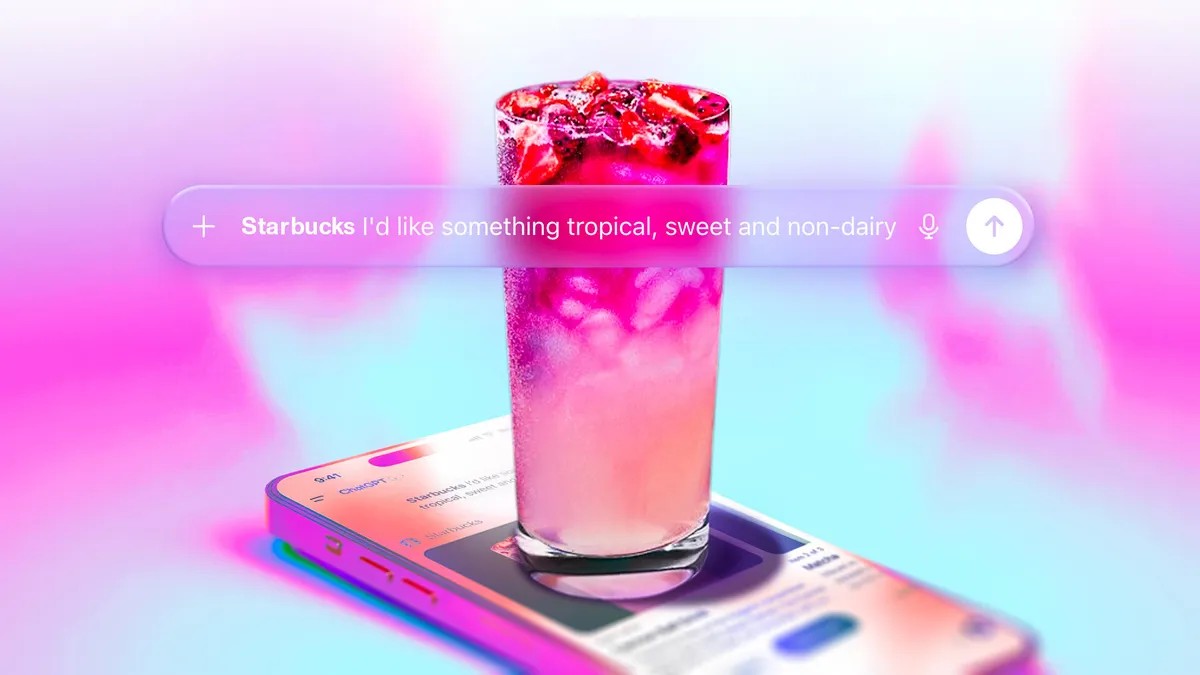
The new ChatGPT integration allows users to interact with a specialized “@Starbucks” tool using natural language. Instead of searching for “Iced Latte,” customers can use more abstract prompts, such as:
– “I want something bright to start my morning.”
– “Suggest something refreshing for a hot afternoon.”
– Uploading an image to convey a specific vibe or location.
While the ChatGPT interface cannot process payments or finalize the transaction, it acts as a sophisticated digital concierge. Once the AI suggests a drink—ranging from standard favorites to unconventional combinations like espresso with lemonade—it provides a direct link to the Starbucks app or website to complete the purchase.
Why This Matters: The Shift Toward “Emotional Commerce”
This move highlights a growing trend in retail known as conversational commerce. As seen with OpenAI’s recent expansion of third-party apps, the goal is to keep users within a single interface for as long as possible. By allowing users to browse real estate, design playlists, or pick coffee drinks within ChatGPT, OpenAI is turning the chatbot into a central hub for daily life.
For Starbucks, the strategy is rooted in consumer psychology. Paul Riedel, Senior Vice President of Digital and Loyalty at Starbucks, noted that customers often don’t start their journey by looking at a menu; they start with a feeling. By meeting customers at that moment of “inspiration,” Starbucks aims to:
– Reduce decision fatigue: Narrowing down a massive menu to a few personalized suggestions.
– Increase discovery: Introducing customers to niche or complex menu items they might otherwise overlook.
– Deepen personalization: Using AI to bridge the gap between a vague craving and a specific product.
Exploring the Unexpected
The integration also opens the door for more adventurous—and sometimes polarizing—beverage combinations. Early tests of the feature show that the AI can suggest unconventional pairings, such as espresso mixed with lemonade or drinks described as “liquid dessert soup.” While this may not appeal to every traditionalist, it offers a way for the brand to engage a younger, tech-savvy demographic looking for novelty.
Conclusion
By integrating ChatGPT, Starbucks is transforming the ordering process from a functional task into a personalized, conversational experience. This partnership marks a significant step in how major brands use generative AI to connect with the emotional state of their customers.