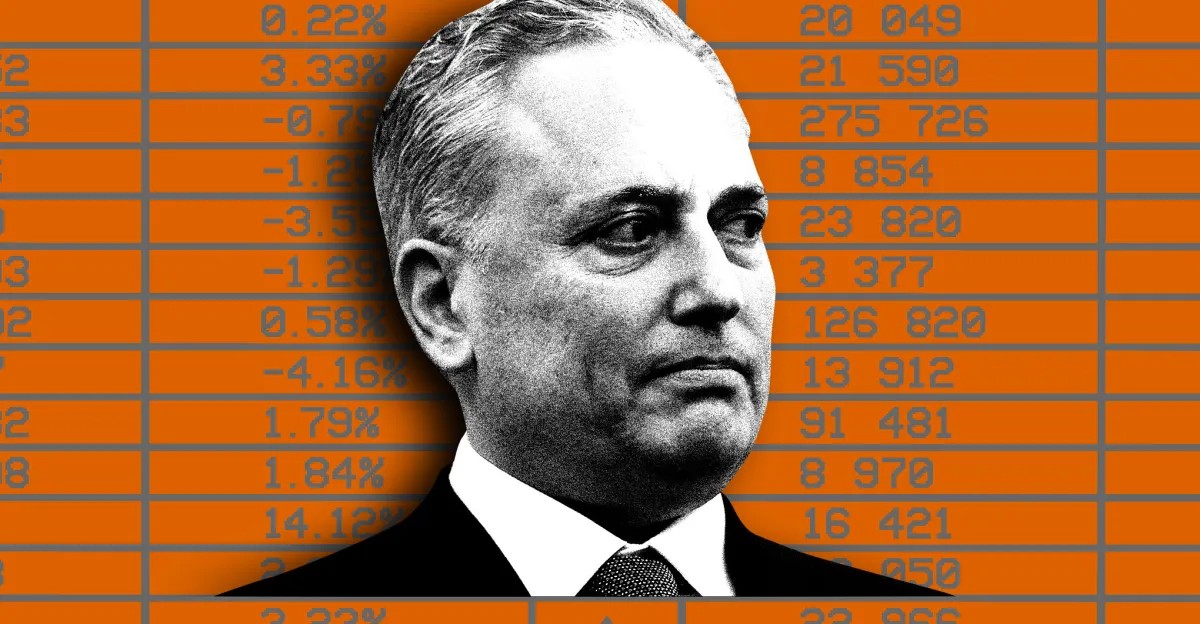
A leaked draft executive order from the Trump administration sought to consolidate federal control over artificial intelligence policy, effectively preempting state laws and concentrating power in the hands of David Sacks, a tech billionaire and special advisor to the President. The plan, which never materialized, revealed an aggressive strategy to override state regulations, punish non-compliant states through funding cuts, and establish Sacks as the de facto gatekeeper for AI policy in the United States.
The Draft Order: A Centralized Power Play
The leaked document outlined a sweeping move to strip states of their regulatory authority over AI. President Trump directed cabinet secretaries and agency heads to aggressively pursue legal action against states with AI laws within 90 days, with the Attorney General given just 30 days to assemble a task force for lawsuits. Crucially, every step of the process would require consultation with David Sacks, granting him unprecedented influence over national AI policy.
The move was designed to bypass standard bureaucratic procedures, treating the order as an “imperial mandate” despite potential legal challenges. Historical precedent suggests that such executive actions often proceed regardless of legality, causing significant economic and diplomatic fallout before courts intervene.
Backlash From All Sides
The draft order triggered immediate and widespread opposition from across the political spectrum. Democrats revolted publicly, while tech-skeptical Republicans prepared to denounce the overreach. Even within the MAGA universe, figures like Steve Bannon exposed the plan, highlighting the consolidation of power.
The backlash stemmed from multiple sources:
- State Sovereignty: The proposed federal intervention threatened states’ rights, particularly among conservative governors like Ron DeSantis and Sarah Huckabee Sanders, who have actively pursued their own AI regulations.
- Ideological Mismatch: The populist base distrusts Big Tech and fears job displacement, making Sacks’ pro-industry stance deeply unpopular.
- Internal Resistance: Both progressive and hard-right factions within the administration opposed the order, with Democrats seeking to break up tech monopolies and MAGA officials wary of unchecked corporate power.
Key Agencies Shut Out
The draft order deliberately excluded critical agencies, signaling a clear intention to bypass established regulatory structures. The National Institute of Standards and Technology (NIST), the Office of Science and Technology Policy (OSTP), the Cybersecurity and Infrastructure Security Agency (CISA), and the Center for AI Standards and Innovation (CAISI) were all sidelined.
Instead, the plan centered power in the Department of Justice, Department of Commerce, Federal Trade Commission, and Federal Communications Commission, all under Sacks’ advisory oversight. The goal was to punish states through legal action, funding cuts, and investigations into “deceptive conduct.”
The Retreat
Faced with overwhelming opposition, the administration quietly shelved the draft order. Instead of a sweeping preemption, the President later signed a minor directive directing National Labs to increase AI development engagement. Sacks was mentioned only once, a stark contrast to the central role he was intended to play.
The failed power grab underscores the limits of executive overreach and the enduring importance of state-level autonomy in AI regulation. The incident also highlights the deep divisions within the Trump administration, where ideological clashes and internal resistance can derail even the most ambitious policy initiatives.
Ultimately, the attempt to centralize AI policy through executive fiat exposed the fragility of unchecked power, forcing the administration to retreat in the face of bipartisan opposition.