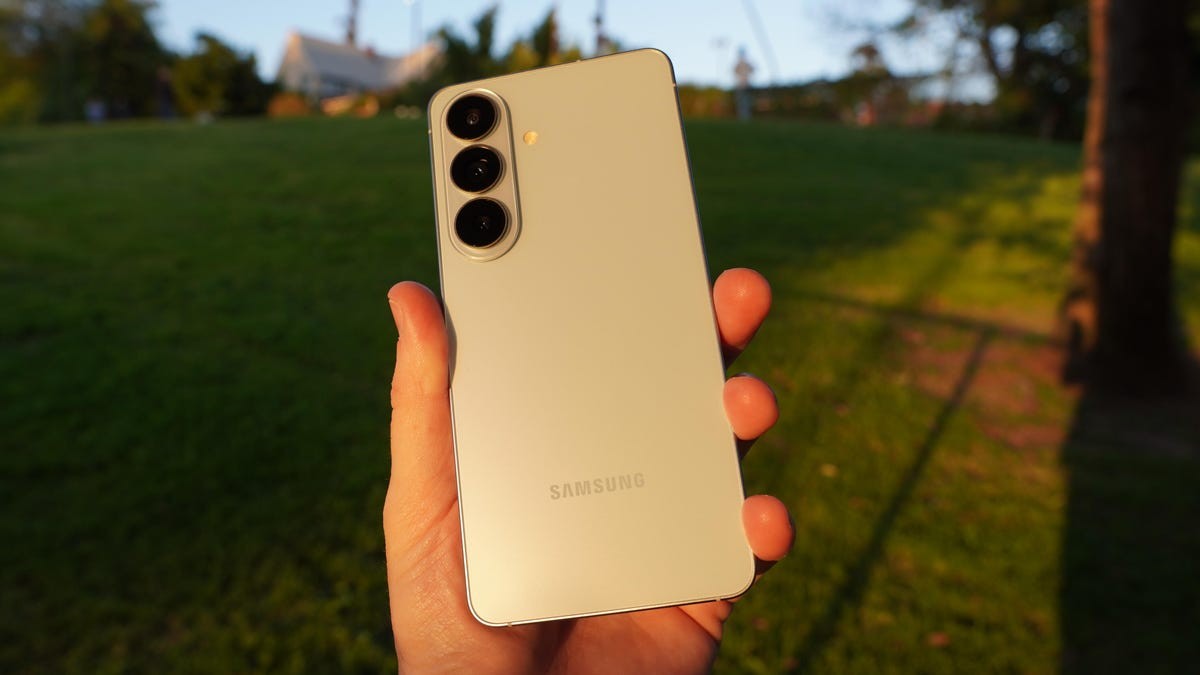
The Samsung Galaxy S26 is a familiar device: a polished iteration of its predecessors, now with more AI features and a steeper price tag. While it offers a refined experience, the S26’s upgrades feel incremental, relying heavily on software enhancements to justify its $900 cost – a $100 increase over last year’s model. This trend of prioritizing software over substantial hardware improvements raises a key question: are the new AI tricks enough to convince consumers to upgrade?
Software Focus Over Hardware Leaps
Samsung has long played this game, holding back cutting-edge specs for its higher-tier phones while leaving the base model in a state of slow evolution. The Galaxy S26’s charging speed, for example, remains stagnant at 25W, unchanged since the Galaxy S20 six years ago. This contrasts sharply with competitors like OnePlus, which offers significantly faster charging on its flagship devices.
The real push this year is AI. The S26 boasts a suite of new AI tools, including real-time video stabilization (“Horizontal Lock”) that genuinely impressed in testing, and AI-powered photo editing that’s playful and functional. While these features are welcome additions, they don’t fundamentally alter the core user experience in the way a faster processor or a larger battery would.
Price Increase in a Challenging Market
The price hike is particularly noteworthy given broader industry trends. RAM shortages and supply chain issues have driven up smartphone costs across the board, but Samsung’s decision to raise prices without corresponding hardware improvements feels less competitive.
The S26 Plus ($1,100) and S26 Ultra ($1,300) offer faster charging and additional features, but the base model’s value proposition is weakening. The Ultra, with its superior camera system and S Pen stylus, remains the clear choice for power users.
Design and Display: Polished but Familiar
The S26’s design is evolutionary rather than revolutionary. It retains the premium glass-and-metal build of its predecessors, with slightly slimmer bezels around a 6.3-inch AMOLED display. The screen is bright and sharp (2,600 nits peak brightness), although it doesn’t quite match the peak brightness of some competitors like the iPhone 17 Pro Max.
The phone is IP68-rated for dust and water resistance, available in cobalt violet, white, sky blue, and black. The overall aesthetic is refined, but visually indistinguishable from recent Galaxy models.
Cameras: Software Enhancements Shine
The camera system remains largely unchanged: a 50MP wide-angle, 13MP ultrawide, and 10MP 3x optical zoom telephoto. The key improvements are software-driven, with features like Horizontal Lock providing exceptional video stabilization. AI photo editing tools add a fun layer, allowing users to manipulate images with text prompts (though these edits are watermarked).
The camera still delivers excellent results, but the lack of hardware upgrades feels like a missed opportunity.
Performance and Battery: Solid but Not Exceptional
The S26 packs Qualcomm’s Snapdragon 8 Elite Gen 5, delivering smooth performance for gaming and multitasking. However, its benchmark scores are only marginally better than last year’s model. The 4,300 mAh battery provides adequate all-day usage, but its charging speed lags behind competitors.
Samsung’s continued lack of magnetic accessories support is another odd omission, forcing users to purchase additional cases for MagSafe-like functionality.
AI Integration: The Future, But Not Yet Essential
Samsung’s AI integration is the S26’s standout feature. Bixby has been improved for conversational interactions, Circle to Search offers refined object recognition, and Call Screening provides proactive scam detection. These AI tools are useful, but they don’t justify the price increase for many consumers.
Samsung promises seven years of software updates, which is a significant commitment, but whether the AI features will remain compelling over that timeframe remains to be seen.
Conclusion: The Samsung Galaxy S26 is a competent flagship phone with incremental improvements and a higher price. The AI enhancements are interesting but don’t fundamentally change the user experience. If you’re upgrading from an older model, the S26 offers a refined experience, but those with recent Galaxy phones may find little reason to switch.