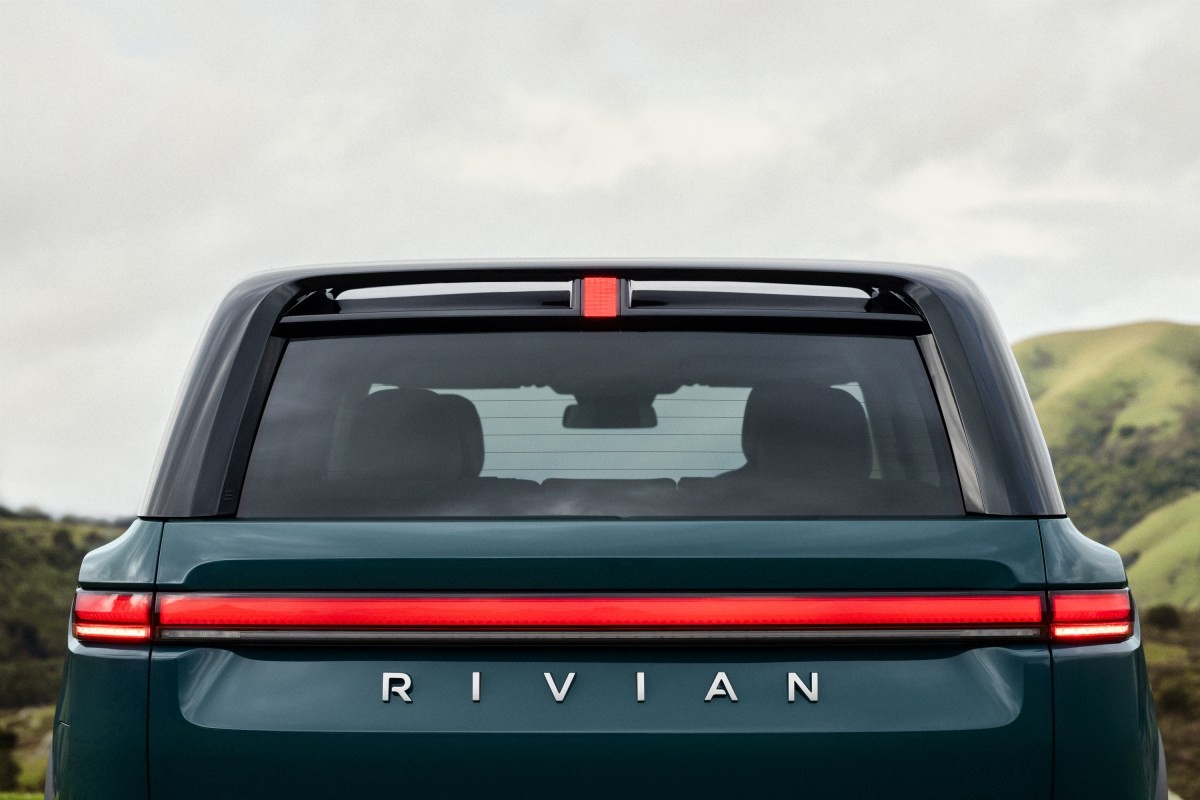
Rivian has announced it will not meet its previously stated goal of achieving positive EBITDA (earnings before interest, taxes, depreciation, and amortization) by 2027. The delay is directly linked to the company’s rapidly escalating investment in autonomous driving technology, a shift in priorities that will push back financial profitability for an unspecified period.
Shift in Focus: Autonomy Over Short-Term Gains
The admission came alongside the disclosure of a new partnership with Uber to develop robotaxi versions of Rivian’s upcoming R2 SUV. While Uber is investing up to $1.25 billion in Rivian, the initial commitment is significantly lower ($300 million for 10,000 vehicles), with the bulk of the deal deferred until around 2030. This suggests Rivian is prioritizing long-term technological development over immediate financial returns.
Rising Costs and External Pressures
Rivian’s decision isn’t solely internal. The company faces headwinds from broader economic factors, including the phasing out of federal EV tax credits, declining revenue from regulatory credit sales, and rising costs due to tariffs imposed by President Trump. These pressures were already making profitability challenging, as analysts like Joseph Spak of UBS predicted delays in achieving positive EBITDA “for a number of years.”
Massive R&D Spending on Self-Driving Tech
The primary driver behind the postponement is Rivian’s aggressive spending on R&D. The company reported $1.7 billion in research and development expenses for 2025, an increase from $1.6 billion the previous year. This investment is directed towards developing a proprietary “large driving model,” custom processors, and an “autonomy computer” aimed at achieving Level 4 autonomous driving capabilities – where vehicles operate without human intervention in specific areas.
Long-Term Vision: Beyond Robotaxis
Rivian’s ambition extends beyond ride-hailing. The company demonstrated its progress in December at its inaugural “Autonomy & AI Day,” showcasing early versions of its driver-assistance software. The long-term goal is to create fully autonomous vehicles capable of operating without human oversight, a feat that requires significant and sustained investment.
Additional Expenses: Factory and Production
The company is also facing substantial capital expenditures, including the construction of a new factory in Georgia and the launch of R2 production. Rivian expects to spend between $1.95 billion and $2.05 billion in 2026 alone.
In conclusion, Rivian’s decision to prioritize autonomy over immediate profitability reflects a strategic bet on the future of transportation. The company is willing to delay financial gains in the short term to establish a leading position in the highly competitive autonomous vehicle market. This move raises questions about the sustainability of Rivian’s financial model but underscores its commitment to long-term innovation.