
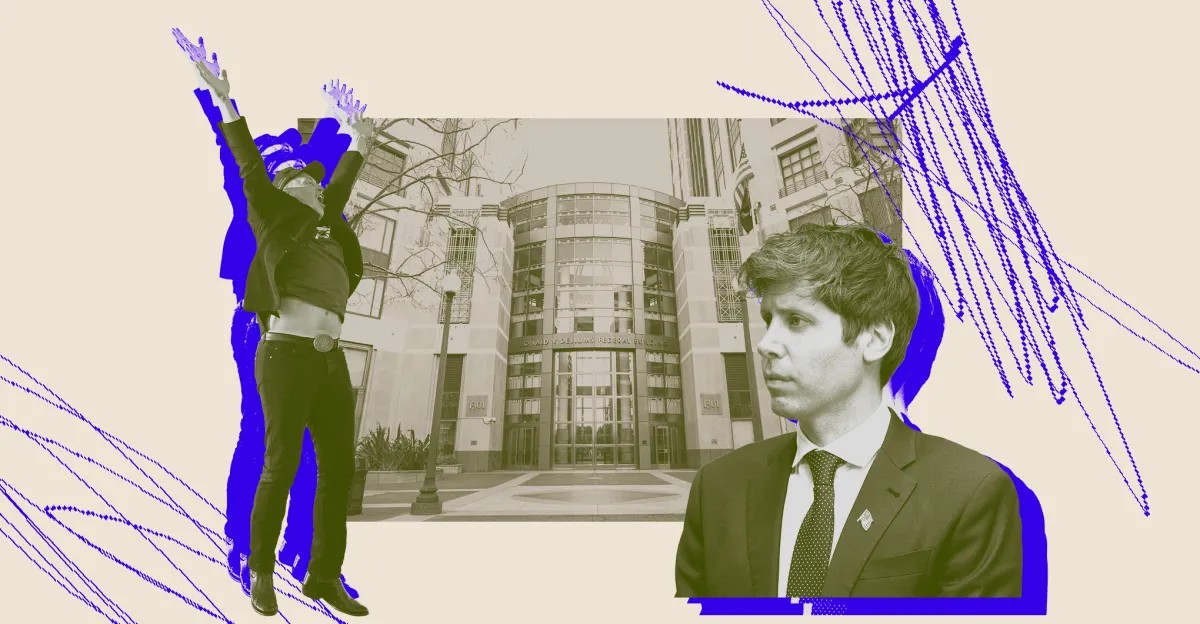
A high-stakes legal battle is set to begin in Oakland, California, on April 27th, pitting two of the most influential figures in technology against each other: Elon Musk and Sam Altman. While the lawsuit officially centers on whether OpenAI defrauded Musk, the true essence of the conflict is far more complex. This is not just a legal dispute; it is a collision of massive egos, competing business empires, and a fight for the future of artificial intelligence.
The Core of the Conflict: Fraud vs. Competition
The litigation stems from Musk’s fallout with OpenAI, a company he helped cofound before departing due to disagreements over its direction. Musk’s legal team is pursuing three primary claims:
– Breach of Charitable Trust: Alleging OpenAI abandoned its original mission.
– Unjust Enrichment: Claiming OpenAI profited at Musk’s expense.
– Fraud: Arguing that Altman and other executives misled him regarding the company’s structure and goals.
Musk is seeking significant remedies, including the removal of top executives and a forced restructuring of OpenAI from a public benefit corporation back to its nonprofit roots.
OpenAI’s defense is equally aggressive. They argue that Musk is using the judicial system as a tactical weapon to gain a competitive edge for his own AI venture, xAI. OpenAI maintains that Musk’s claims are meritless and that his decision to withdraw funding years ago forced the company to evolve into its current for-profit model to survive.
Beyond the Courtroom: Reputation and IPOs
The timing of this trial is critical because both parties are eyeing the public markets.
– OpenAI is reportedly considering an Initial Public Offering (IPO).
– Musk’s xAI (now integrated with SpaceX) has also filed for an IPO.
In the world of high finance, reputation is currency. For OpenAI, the trial threatens to expose internal chaos, executive reshuffling, and questions regarding Sam Altman’s leadership. For Musk, the trial risks exposing personal indiscretions and business tactics that could spook investors ahead of his own SpaceX/xAI offerings.
“The details that come out in the trial about OpenAI will absolutely change its reputation,” notes Deven Desai, a professor of business law and ethics. “It will make it harder for them to claim their mission is purely about making AI safe for humanity.”
A “Messy” Discovery Process
The legal process has already begun unearthing “tech gossip” and sensitive personal details that go far beyond the technicalities of AI development. The discovery phase has revealed:
– Internal Friction: Excerpts from OpenAI President Greg Brockman’s diary and depositions regarding the 2023 board coup that briefly ousted Altman.
– Personal Allegations: Controversial inquiries into Musk’s personal life and substance use, as well as his relationship with former OpenAI board member Shivon Zilis.
– Competitive Spying: Evidence suggesting Musk was actively recruiting talent from OpenAI to bolster xAI.
Why This Matters for the AI Industry
This trial is a bellwether for the “Wild West” era of artificial intelligence. It highlights a fundamental tension in the industry: the struggle between the original “open and safe” nonprofit ideals and the massive capital requirements of the for-profit AI arms race.
As high-profile witnesses—including Microsoft CEO Satya Nadella and former OpenAI executives—prepare to testify, the outcome will do more than just settle a lawsuit. It will signal whether the legal system can effectively regulate the massive, often opaque, power structures being built by the world’s wealthiest tech titans.
Conclusion: While the legal verdict will determine financial damages and corporate structure, the real impact of Musk v. Altman lies in how it reshapes the public perception and market viability of the world’s leading AI companies.