A 28-year-old man in China has regained the ability to control devices with his thoughts just five days after receiving a fully implantable brain-computer interface (BCI). This marks a significant step forward in neurotechnology, demonstrating rapid functionality in a human subject. The breakthrough comes from the country’s first clinical trial of a fully wireless BCI system, developed by Shanghai NeuroXess.
The Science Behind Thought Control
Brain-computer interfaces act as a direct connection between the nervous system and external devices. By interpreting brain activity, these systems allow users to interact with the world through thought alone – whether that means moving a prosthetic limb, using a computer, or controlling household appliances.
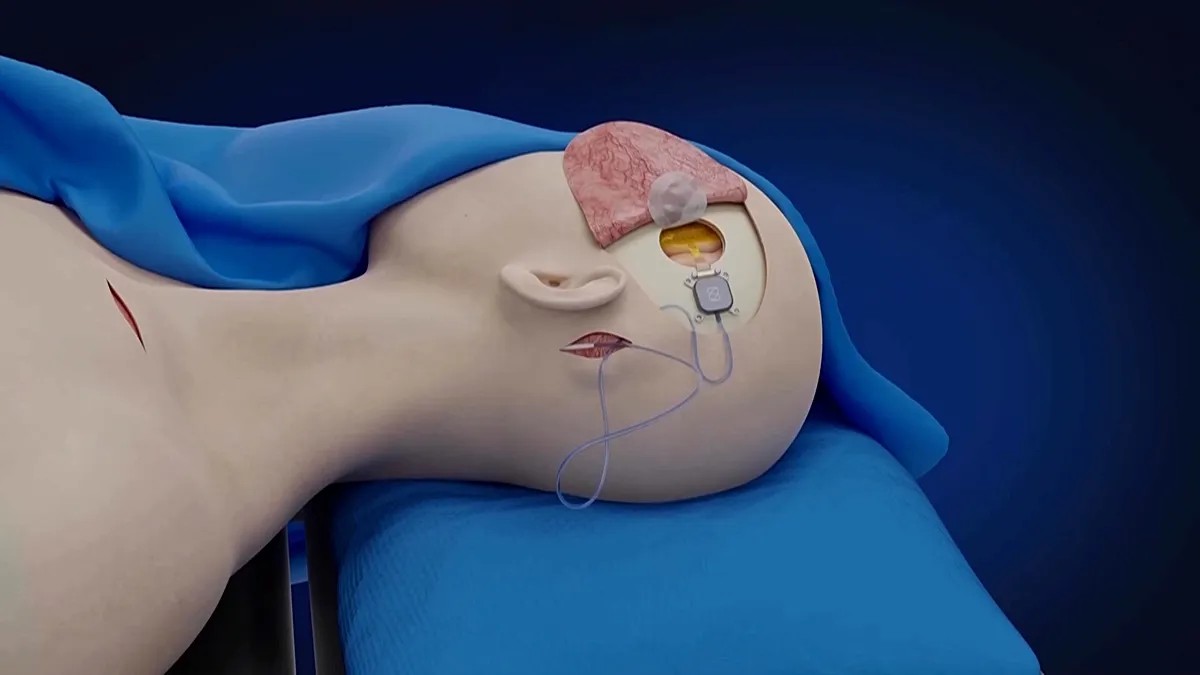
The Chinese device utilizes 64 tiny electrodes (each thinner than a human hair) implanted in the brain. The controller, battery, and wireless antenna are placed under the skin to maintain full functionality. This design minimizes invasiveness while maximizing usability. The key innovation is the self-contained power source, which allows for sustained operation without external wires or bulky equipment.
Real-World Applications: Beyond Lab Tests
The patient, paralyzed for eight years due to a spinal cord injury, can now operate smart home devices, browse the internet, play video games, and control his wheelchair—all through thought. Professor Mao Ying of Fudan University described this as a transformative step for individuals living with paralysis.
The device’s success highlights the rapid evolution of BCI technology. The ability to achieve long-term usability through a reliable power supply is crucial for widespread adoption. Zhang Xu, a neuroscientist with the Chinese Academy of Sciences, emphasized the importance of built-in batteries for practical application.
Global Race in Neurotech
This advancement places China at the forefront of BCI development, though the field is increasingly competitive. Elon Musk’s Neuralink has also made headlines with its own implant trials. A Neuralink patient, Rocky Stoutenburgh, recently demonstrated controlling a robotic arm with his mind in a viral video.
“Participants in our clinical trials have extended digital computer control to physical devices such as assistive robotic arms,” Neuralink stated on X.
More than 10,000 people have signed up for Neuralink’s patient registry, indicating high demand for this technology. The global race to refine and deploy BCIs is accelerating, with potentially life-changing implications for millions.
This latest success in China suggests that fully functional, wireless brain implants are no longer a distant prospect but a rapidly developing reality. The ethical and societal impact of such technologies will require careful consideration as they become more accessible.