
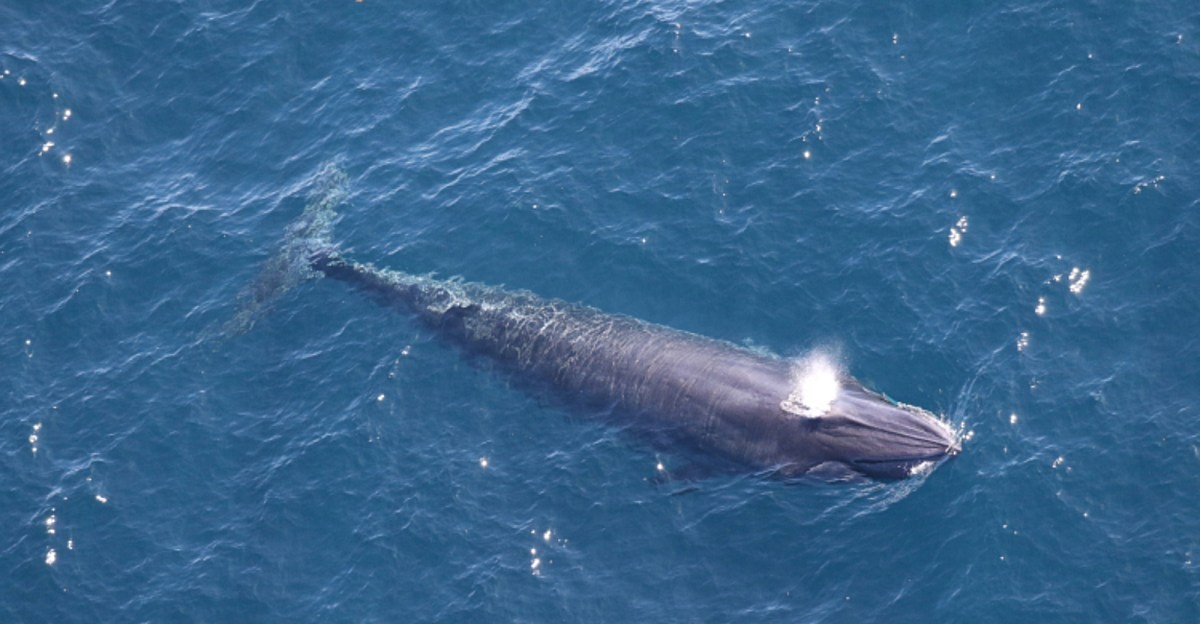
The Rice’s whale, one of the world’s rarest marine mammals with only 51 individuals remaining, faces a heightened risk of extinction following a recent decision by the Trump administration to exempt oil and gas activity in the Gulf of Mexico from Endangered Species Act (ESA) protections. This marks the first time the “God Squad” – a committee with the power to override wildlife law – has invoked national security as justification for potentially driving a species to extinction.
The “God Squad” and National Security
Congress established this committee in 1978 as a last-resort loophole in the ESA, intended for conflicts between species protection and US economic or national security interests. The current administration argues that restricting oil production in the Gulf, which supplies roughly 15% of the nation’s crude oil, would compromise military readiness and energy independence.
This decision was made swiftly, during a 15-minute meeting where officials unanimously approved the exemption. The argument ignores the fact that ESA regulations do not ban drilling but require companies to mitigate harm to the whales, such as reducing shipping traffic in their habitat.
Industry Influence and Environmental Concerns
Critics, like Andrew Wetzler of the Natural Resources Defense Council, condemn the move as a political concession to powerful oil and gas companies. The administration’s parallel sidelining of clean energy projects further raises questions about its priorities. The Gulf has a history of environmental disasters, including the 2010 BP Deepwater Horizon spill, which decimated the whale population by an estimated 22%.
A Species on the Brink
Rice’s whales, unique to the Gulf of Mexico, are poorly understood by scientists despite their size. They were only recently recognized as a distinct species. The exemption leaves them vulnerable to vessel strikes, noise pollution, and potential spills, accelerating their decline.
Legal Challenges Expected
The decision is expected to face legal opposition from environmental groups like the Center for Biological Diversity, which plans to challenge the exemption in court. For now, the Rice’s whale’s survival remains uncertain, caught between economic interests and its dwindling numbers.