
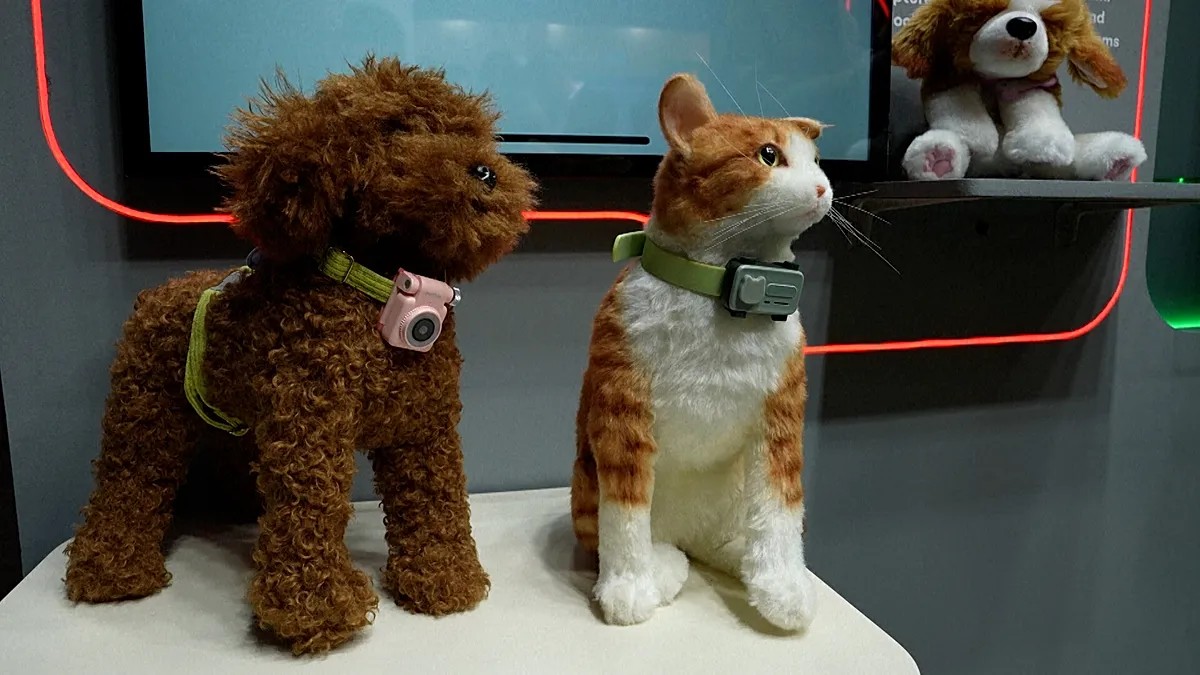
A Singapore-based tech company, uCloudlink, is introducing a new wearable device called PetPhone that aims to bridge the communication gap between pets and their owners. The device, demonstrated at Mobile World Congress (MWC) in Barcelona, uses artificial intelligence, motion sensors, and GPS to allow pets to “call” or send alerts to their human companions. This isn’t about pets literally speaking on the phone; it’s about translating their movements into actionable messages for owners.
How PetPhone Works
PetPhone operates through a companion app on the owner’s smartphone. The wearable device monitors the pet’s activity and location using GPS and motion tracking. The core innovation lies in its AI-powered ability to recognize specific movements as signals. For instance, a dog jumping three times within six seconds could trigger an automatic call to the owner. Other actions, like spinning in circles, could send notifications indicating hunger or thirst.
As uCloudlink CEO Jeff Chen puts it, “We believe the pet can use the PetPhone for communication with the people, like a child.” The device essentially interprets pet behavior and converts it into a language humans can understand.
Beyond Tracking: A New Era of Pet Communication?
Currently, many pet owners rely on cameras and trackers to monitor their animals remotely. PetPhone proposes a step further: two-way “communication.” The idea is that pets aren’t just observed, but actively participate in alerting their owners to their needs. The company’s reasoning is simple: as AI becomes ubiquitous for humans, pets shouldn’t be left behind.
The device allows owners to check on their pets, play music remotely, and receive real-time activity alerts. While the concept may seem unconventional, it taps into a growing trend of pet-tech innovation. Companies are increasingly focused on enhancing the bond between animals and their owners through technology.
PetPhone’s success will depend on whether pet owners find the AI-driven alerts reliable and useful. For now, it marks an interesting evolution in how humans interact with their animal companions.