
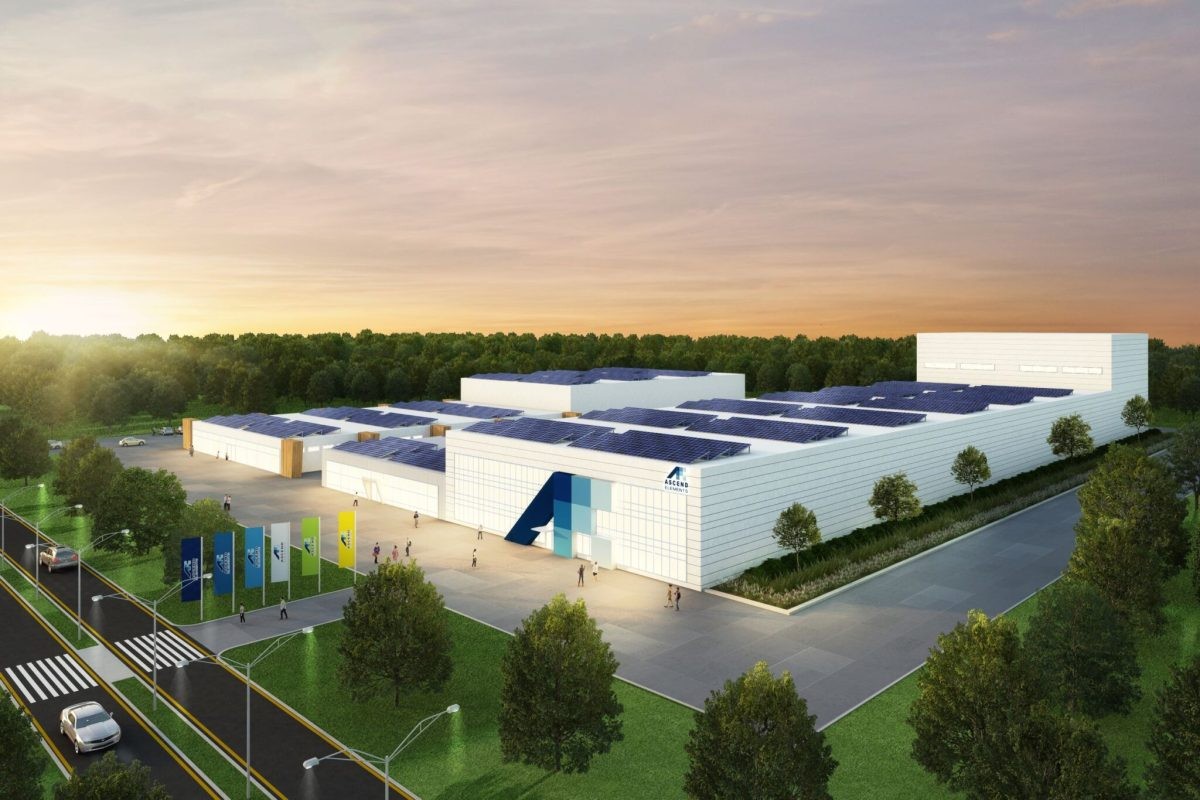
The battery recycling industry has suffered a significant setback as Ascend Elements, a key player in the circular economy for electric vehicle (EV) materials, officially filed for Chapter 11 bankruptcy protection. The move comes as a devastating blow to investors who had poured nearly $900 million into the company in hopes of securing a domestic supply chain for critical minerals.
A Perfect Storm of Financial Headwinds
CEO Linh Austin cited “insurmountable” financial challenges in an announcement late Thursday. The company’s downfall appears to be the result of several converging factors that crippled its ability to maintain operations:
- Loss of Federal Funding: A major blow came from the decision by the Trump administration to cancel a $316 million grant intended for Ascend’s massive facility in Kentucky. While the company had already received $204 million in disbursements, the loss of the remaining funds created a massive capital shortfall that the company could not bridge.
- Project Delays and Legal Hurdles: The company’s flagship 1-million-square-foot Kentucky facility has been plagued by local lawsuits and construction delays, preventing the company from reaching full operational capacity.
- Market Volatility: The broader U.S. electric vehicle market has entered a period of stagnation. Following the expiration of certain tax credits last September, EV sales have struggled to regain momentum, leading to widespread uncertainty across the sector.
The Broader Context: Why This Matters
Ascend Elements was not just another startup; it possessed a proprietary technology designed to streamline the recycling process. By reducing the number of steps required to transform shredded battery waste into precursor materials for new cathodes, Ascend aimed to provide a more efficient, domestic source of critical minerals.
However, the company’s struggle highlights the extreme difficulty of scaling “green tech” in the current economic landscape. This failure underscores three systemic challenges facing the industry:
- The “Pull-Forward” Effect: Analysts suggest that the recent dip in EV sales may be due to consumers rushing to buy vehicles before tax credits expired, leaving a vacuum in demand for the current year.
- Automaker Pivot: As demand softens, major manufacturers are retreating from aggressive EV roadmaps. For instance, Volkswagen recently announced it would end production of the ID.4 at its Tennessee plant, shifting focus back to internal combustion models like the Atlas.
- The China Factor: Western startups face an uphill battle against Chinese manufacturers. Backed by heavy state subsidies, Chinese firms have achieved massive scale and can drive down material costs to levels that are difficult for domestic, venture-backed companies to match.
Industry Implications
The bankruptcy of Ascend Elements serves as a cautionary tale for the battery supply chain. It demonstrates that even with advanced technology and significant investor backing, the path to profitability is narrow when faced with shifting political landscapes, fluctuating consumer demand, and intense global competition.
The collapse of a major recycler like Ascend Elements signals a period of consolidation and high risk for the domestic battery material market, as the industry struggles to balance rapid innovation with economic reality.