
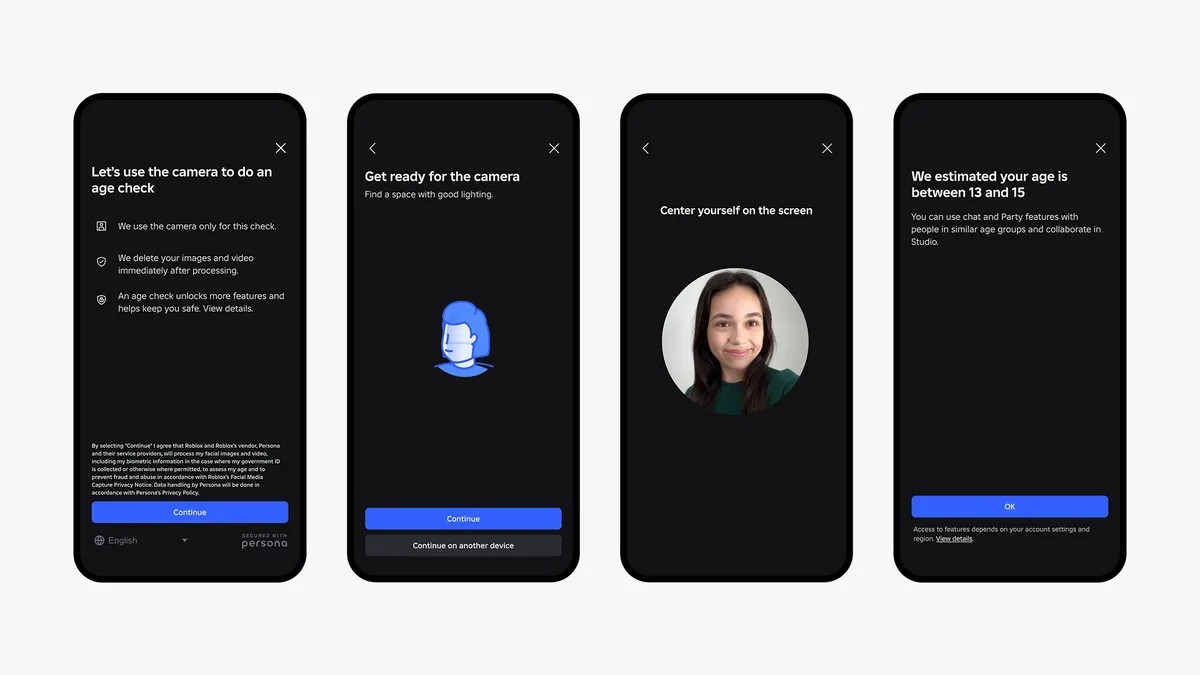
Los Angeles County has filed a lawsuit against Roblox, alleging systemic failures in protecting children from exploitation on the gaming platform. The suit demands an injunction and civil penalties, claiming Roblox falsely advertises its safety while enabling “sexual exploitation and abuse of children.” The legal action is part of a broader trend of increased scrutiny on gaming and social media platforms regarding youth safety – notably, Los Angeles County is currently litigating against Meta over social media addiction.
The Core Allegations
The lawsuit argues that Roblox’s design choices and monetization practices actively expose minors to harm. Despite recent changes, including mandatory age verification for some features, the county alleges Roblox has not taken sufficient action to prevent predators from grooming, exploiting, and potentially assaulting children. County counsel Dawyn R. Harrison stated the platform provides “powerful tools to prey on innocent…children,” and that existing safeguards are inadequate. Roblox disputes the claims, asserting that safety is “at its core” and continuously improving.
A Growing Trend of Tech Accountability
The case against Roblox mirrors similar legal battles against Meta, TikTok, and other major tech companies. Several jurisdictions, including Australia, have implemented outright bans on social media for children. The issue isn’t limited to just one platform; multiple companies are now attempting to implement age-verification tools, yet these measures often require users to submit more personal data, raising privacy concerns.
Why Age Verification Doesn’t Solve the Problem
Privacy expert Mark Beare from Malwarebytes argues that online age verification is fundamentally flawed. He contends that such systems are easily circumvented and incentivize increased data collection without actually improving safety. The problem is systemic: platforms like Roblox attract predators due to their large user base (approximately 151 million daily active users) and the amount of time users spend in virtual worlds, which reportedly exceeds combined engagement on PlayStation Network and Steam.
The Broader Context
This lawsuit is not isolated. Concerns about online exploitation, fraud, and identity theft on platforms frequented by children are escalating. The Los Angeles County filing details years of documented incidents, including screenshots of inappropriate content and social media posts. The real issue is that simply adding age verification does not address the underlying design choices that allow predators to operate and expose young users to dangerous content.
The lawsuit against Roblox underscores the growing pressure on tech companies to prioritize child safety over profit. The core argument remains: platforms must fundamentally redesign their architecture and monetization strategies, or risk further legal and public backlash.