
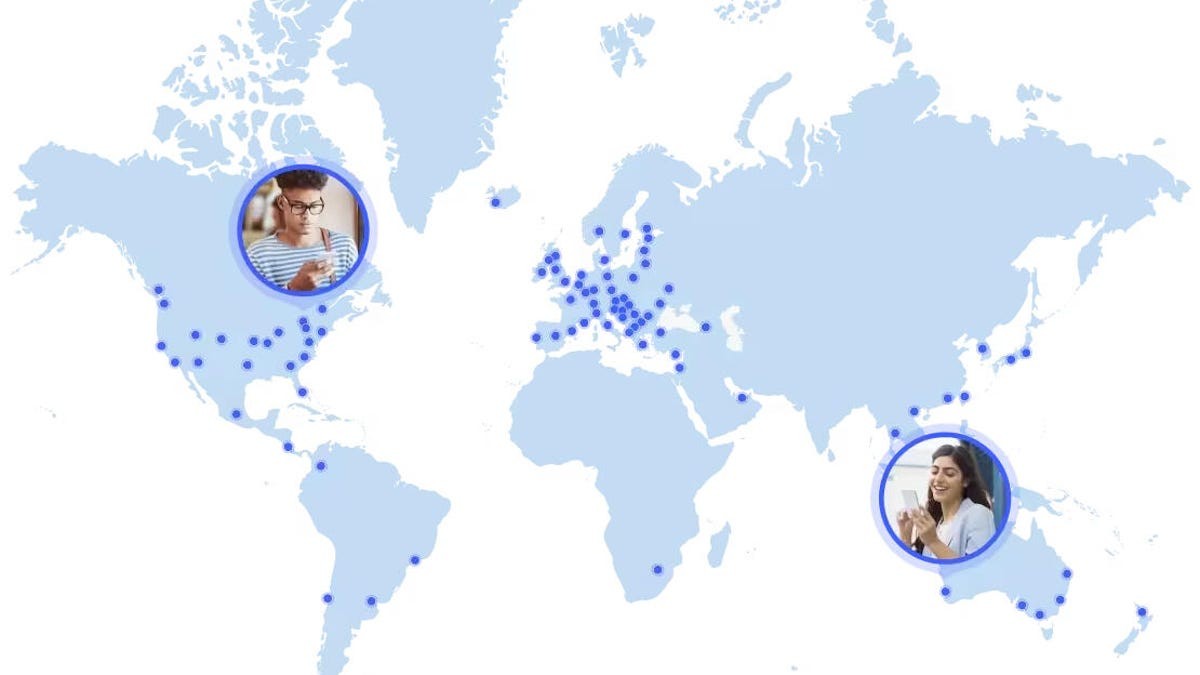
NordVPN has reached a significant milestone in its infrastructure, announcing that it now operates server locations in all 50 U.S. states. This expansion brings the provider’s total to 211 server locations globally, significantly broadening its domestic footprint.
Why State-Level Presence Matters
For many users, a VPN is more than just a tool for privacy; it is a gateway to localized content. Having servers in every state provides several practical advantages:
- Unblocking Regional Content: Users can bypass geoblocks to access regional sports broadcasts or localized streaming libraries that are restricted to specific states.
- Travel Flexibility: Whether traveling internationally or moving between states within the U.S., users can maintain a consistent digital identity or access domestic services seamlessly.
- Optimized Connection Quality: A denser network allows users to select servers based on proximity, which can improve connection speeds and provide better redundancy (backup options) if one server becomes overloaded.
Scaling Capacity for High Demand
Alongside the geographic expansion, NordVPN has boosted its total global network capacity to 100Tbps.
In the world of VPNs, server density and bandwidth are critical. As more users connect simultaneously—particularly during peak hours—the risk of “bottlenecks” increases, leading to slower speeds. By increasing both the number of locations and the total capacity, NordVPN aims to mitigate these slowdowns and provide a more stable experience for high-bandwidth activities like streaming and gaming.
The Competitive Landscape
While NordVPN’s expansion is substantial, the VPN market remains highly competitive. Industry experts note that while other providers like Proton VPN may boast a higher total number of servers and more countries, they do not currently match NordVPN’s specific coverage across every U.S. state.
Currently, only a small group of providers—including ExpressVPN and Private Internet Access (PIA) —offer this level of granular U.S. coverage.
Context: The Evolving Regulatory Environment
As VPN technology becomes more sophisticated, it is also facing increasing scrutiny. While these tools are essential for privacy and bypassing censorship, some regions within the United States are currently exploring legislative measures that could limit or ban the use of VPNs. This creates a complex landscape for users who rely on these services for both security and digital freedom.
“A state-level presence helps users connect to location-sensitive services without sacrificing privacy,” says NordVPN CTO Marijus Briedis. “With broader coverage, users can pick the server that best fits their needs—speed, locality, or redundancy—without compromising on security.”
Conclusion: By securing a presence in every U.S. state and boosting its global capacity, NordVPN has strengthened its position as a versatile tool for both localized content access and high-speed privacy.