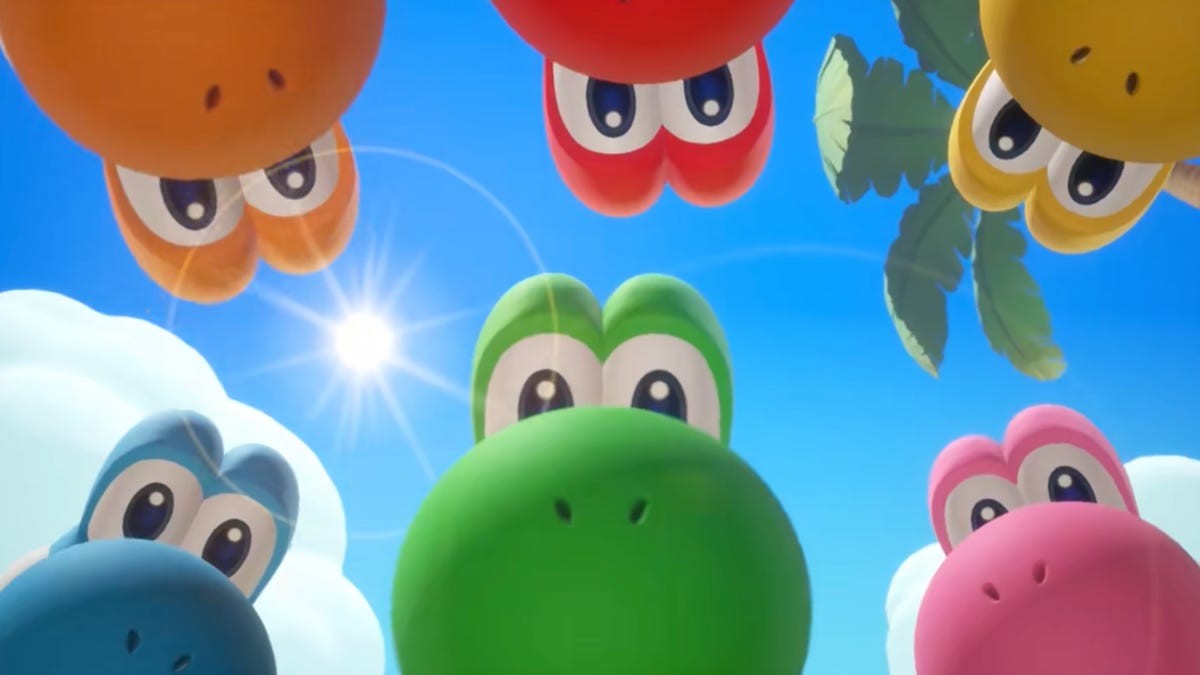
Nintendo announced Wednesday a pricing shift for its upcoming Switch 2 titles, marking the first time the company will charge more for physical copies than digital downloads. The change, set to begin with the release of Yoshi and the Mysterious Book on May 21, will see physical editions priced at $70 while digital versions remain at $60.
Why the Price Difference?
Nintendo’s statement frames the decision as a reflection of differing production and distribution costs. While the company insists both formats offer the same gaming experience, the reality is more complex. Increased storage demands for Switch 2 games are likely driving up the cost of physical cartridges. The new console’s improved graphics require larger game files; some titles already exceed 70GB, pushing cartridge production costs higher, especially given the ongoing global memory shortage.
This move isn’t entirely unprecedented. Nintendo previously tested price boundaries with Mario Kart World, selling at a record-high $80. The new pricing scheme for Switch 2 exclusives suggests this is a deliberate strategy to pass increased production costs onto consumers.
The Role of Retailers
The shift also raises questions about how retailers will respond. Traditionally, publishers have avoided undercutting physical sales to appease stores worried about losing shelf space. Rumors suggest major retailers pressured companies to maintain price parity between digital and physical versions.
However, digital sales are steadily rising while physical purchases decline. Circana data shows physical game media sales dropped over 50% since 2021 and over 85% since 2008. With digital codes available through major retailers like Walmart and Amazon, physical stores have less leverage. While GameStop and other dedicated video game retailers may feel the impact, the broader market trend suggests they will likely accommodate the change. A growing niche of collectors willing to pay a premium for physical copies also provides some stability.
What Does This Mean for Other Publishers?
The Nintendo move will put pressure on other Switch 2 publishers like EA, Ubisoft, and Bandai Namco. Lowering digital prices risks immediate revenue losses, especially given their larger game budgets. They may choose to apply the new pricing scheme selectively, starting with mid-range titles to test the waters.
Sony and Microsoft, already grappling with declining sales, are unlikely to follow suit immediately. This shift could signal a broader industry trend, but its success will depend on consumer acceptance and the willingness of retailers to adapt.
Ultimately, Nintendo’s pricing change is a calculated gamble. It tests how much consumers will pay for physical ownership in a digital-first world, and it could reshape how video games are priced moving forward.