
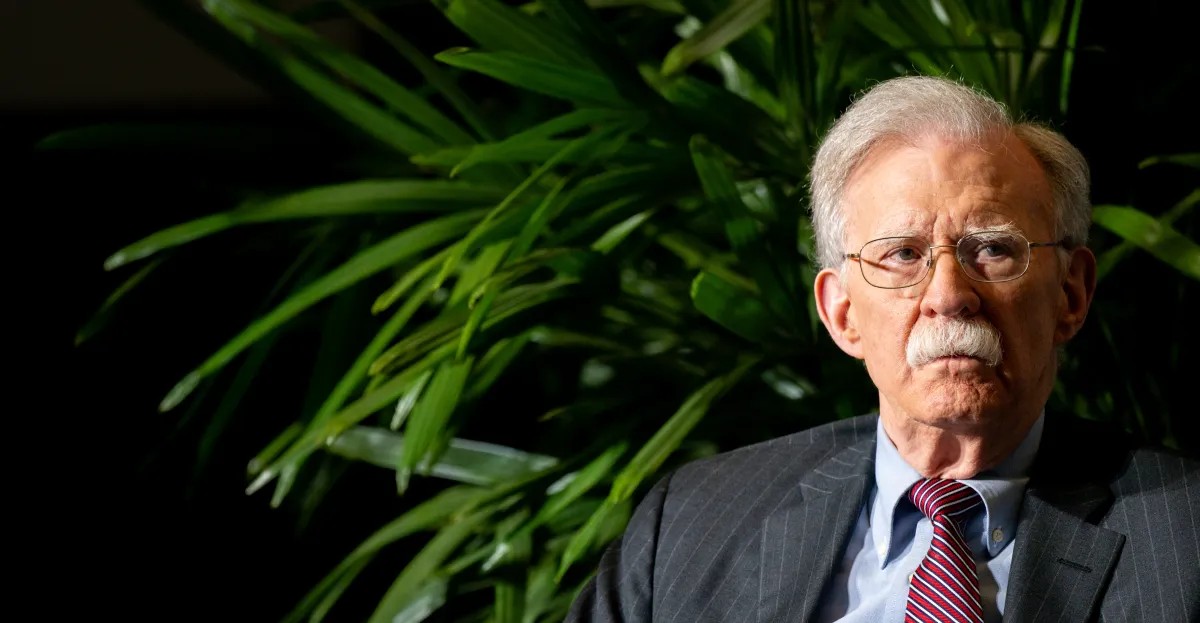
For decades, John Bolton has been the most recognizable voice advocating for aggressive US policy toward Iran, including regime change through military intervention. His hawkish stance was consistent throughout his roles as UN Ambassador under George W. Bush and National Security Advisor under Donald Trump. Yet, even Bolton now sharply criticizes the Trump administration’s approach to escalating tensions with Iran, arguing it lacks strategic depth and coherent planning.
This unexpected opposition raises a critical question: why is one of America’s foremost proponents of military action against Iran now denouncing the current course? The answer lies in Bolton’s assessment that Trump failed to lay the groundwork for meaningful regime change, both domestically and internationally.
The Case for Regime Change
Bolton maintains that the Iranian regime will not abandon its nuclear ambitions or its support for terrorist groups. He believes regime change is the only viable solution, citing internal weaknesses within Iran – economic instability, widespread dissatisfaction among youth and women, and ethnic tensions – as creating favorable conditions for intervention.
However, he argues that Trump’s failure to build public and congressional support, consult with allies, or coordinate with Iranian opposition groups has undermined any chance of success. Bolton emphasizes that regime change requires a well-defined strategy, not just military action.
“If you are going to go after the goal of regime change, you have to know what you’re getting into and be resolved to work your way through it in order to achieve it. And if you don’t think you can achieve it, then don’t start it.”
The Failure of Preparation
Bolton contends that Trump never adequately prepared the American public or Congress for the potential consequences of military action. He stresses that any credible attempt at regime change demands a clear articulation of national interests, transparency with allies, and coordination with internal opposition forces.
Instead, Trump reportedly bypassed established decision-making processes within the National Security Council, undermining informed debate and strategic planning. Bolton points to the appointment of a single individual to oversee both State and National Security matters as further evidence of this lack of strategic thinking.
The Current Situation
Bolton believes that despite recent military strikes, Iran remains capable of rebuilding its nuclear program and terrorist network. He argues that without a comprehensive plan for regime change, current actions will only delay, not prevent, future threats.
The situation is further complicated by the regime’s swift replacement of key leadership figures with hardliners. Bolton suggests that if Trump is unwilling to commit to a sustained effort toward regime change, he should pursue alternative strategies rather than escalating tensions without a clear objective.
In conclusion: Even John Bolton, a long-time advocate for military intervention in Iran, believes that the Trump administration’s current approach is flawed and counterproductive. His criticism underscores the critical importance of strategic planning, domestic support, and international coordination when considering regime change, a goal that appears to be failing under the current leadership.