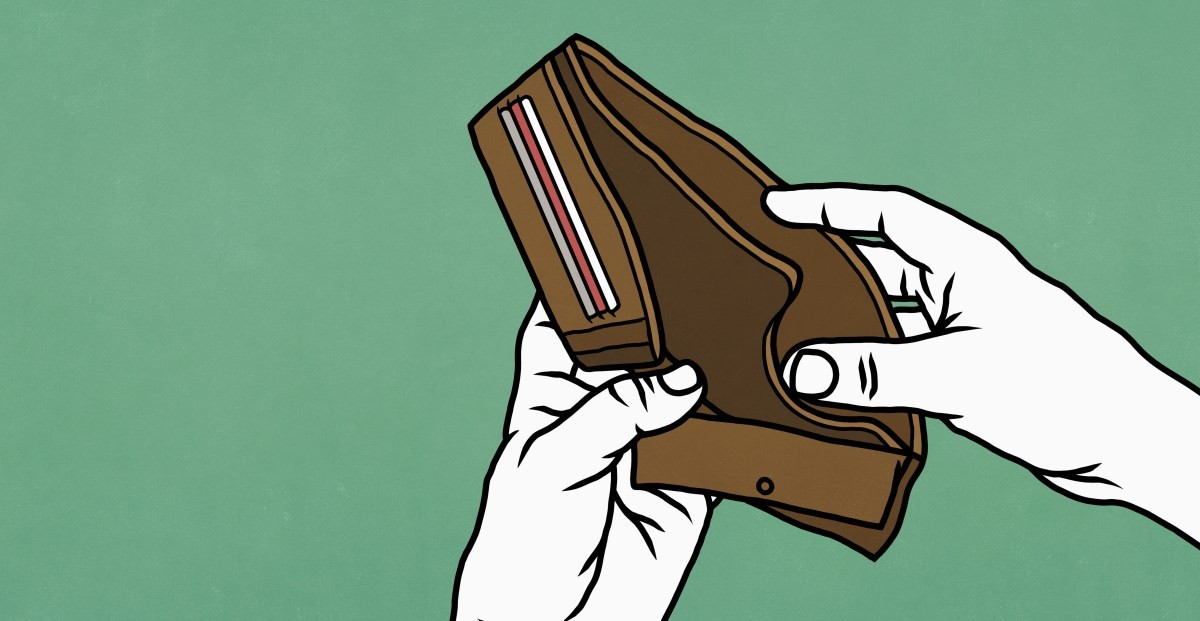
The convenience of “buy now, pay later” (BNPL) services is driving a surge in consumer debt, raising concerns about a potential economic fallout. Once limited to luxury purchases, these installment plans – often marketed as interest-free – are now commonplace for everyday expenses, even groceries. The rapid expansion of BNPL, fueled by fintech startups like Affirm and Klarna, is outpacing regulatory oversight, leaving consumers vulnerable to hidden fees and unsustainable debt cycles.
The Rise of BNPL
BNPL gained traction during the pandemic, with lending volumes skyrocketing from $16.8 million in 2019 to $180 million in 2022. The appeal is simple: break down purchases into smaller, seemingly manageable payments. However, the lack of traditional credit checks means consumers can easily accumulate multiple BNPL loans simultaneously – a practice known as “loan stacking.” This creates a dangerous scenario where individuals borrow beyond their ability to repay.
Over 40% of BNPL users have made late payments in the last year, and more than 20% juggle three or more loans at once. While some services advertise zero-interest options, rates can climb as high as 36%, far exceeding the rates of traditional credit cards.
Deregulation and Securitization
The BNPL industry’s growth has been aided by deregulation. The Trump administration rolled back Obama-era rules that would have treated BNPL lenders like credit card companies, reducing oversight. Meanwhile, companies like Klarna and Affirm are securitizing billions in consumer debt and selling it to investors, obscuring the true risk exposure.
The FICO score, a key measure of creditworthiness, has begun to factor in BNPL debt – but this information remains hidden from consumers. This lack of transparency further exacerbates the problem, making it harder for borrowers to understand their financial obligations.
Echoes of the Subprime Crisis
Experts warn that the current situation bears troubling similarities to the subprime mortgage crisis of 2008. Just as risky mortgages were repackaged and sold as secure investments, BNPL debt is being sliced, diced, and sold to investors who may not fully grasp the underlying risk.
Nadine Chabrier, senior policy counsel at the Center for Responsible Lending, notes that BNPL lenders currently face no requirement to assess a borrower’s ability to repay. This absence of checks and balances could lead to widespread overextension and potential economic instability.
The Bottom Line
While a full-blown crisis is not yet inevitable, the unchecked growth of BNPL poses a clear danger to consumers and the broader financial system. The industry’s aggressive marketing, coupled with lax regulation, has created a culture of reckless borrowing. As the holiday shopping season intensifies, consumers should proceed with extreme caution: read the fine print, or avoid BNPL altogether. The US economy may depend on it.