
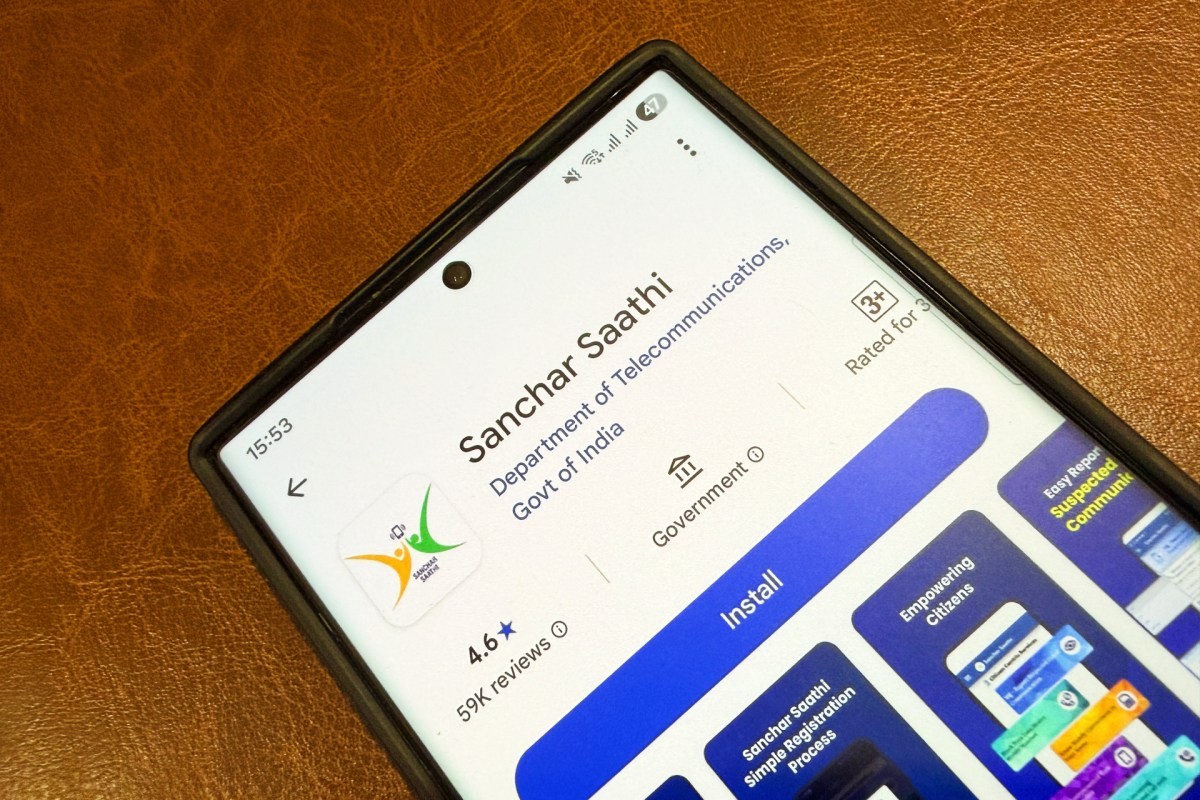
India has reversed its recent directive requiring smartphone manufacturers to pre-install a government-developed cybersecurity app, Sanchar Saathi, on all devices sold within the country. The decision comes after widespread criticism from privacy advocates, tech companies, and the public, who raised concerns about government overreach and potential breaches of user privacy.
The Initial Mandate and Its Reversal
Last week, India’s telecom ministry circulated a notice demanding manufacturers preload Sanchar Saathi —designed to combat smartphone theft and cyber fraud—and prevent users from disabling its features. This sparked immediate outcry; critics argued that such a mandate would grant authorities excessive access to user data, effectively turning smartphones into tracking devices.
On Wednesday, the ministry announced a reversal, stating that pre-installation would remain voluntary. The government cited increasing public acceptance of the app as a reason for the change. However, as of today, manufacturers await official written confirmation of the withdrawal, with no formal notification yet issued.
Why This Matters: Privacy vs. Security
The rapid shift highlights an ongoing tension between government security priorities and individual privacy rights. India’s attempt to force app installation reflects a broader trend toward increased state surveillance, framed as necessary for combating crime. The backlash demonstrates that such measures are not universally accepted.
Sanchar Saathi has already amassed over 14 million downloads since January 2025 and processes data from roughly 2,000 cyber fraud cases daily. The controversy did boost app registrations, with approximately 600,000 new users signing up on December 2 alone, suggesting public awareness of the app is rising.
Confusion and Contradictory Messaging
The reversal was preceded by conflicting statements from government officials. While Telecom Minister Jyotiraditya Scindia claimed users could delete the app at any time, the leaked directive explicitly forbade disabling its functions. This inconsistency fueled accusations that the government was downplaying the extent of the mandate.
Manufacturers also privately questioned the legality of enforcing a system-level app without clear legal backing. Deputy Telecom Minister Pemmasani Chandra Sekhar noted that Apple did not participate in the initiative’s working group, while other smartphone makers did.
Broader Implications and Ongoing Concerns
The reversal is a “welcome development,” according to the Internet Freedom Foundation, but the group cautions against premature celebration until official legal orders are published. Other aspects of the Sanchar Saathi ecosystem remain in effect: recommerce platforms are still required to validate devices through a central IMEI database, and the telecom ministry is piloting an API to allow firms to directly submit user and device data to the state.
Ultimately, India’s U-turn on the forced app mandate underscores the importance of public scrutiny in safeguarding digital privacy. While the government retreated, the broader infrastructure for data collection and surveillance continues to expand, raising long-term questions about digital rights in the country.