
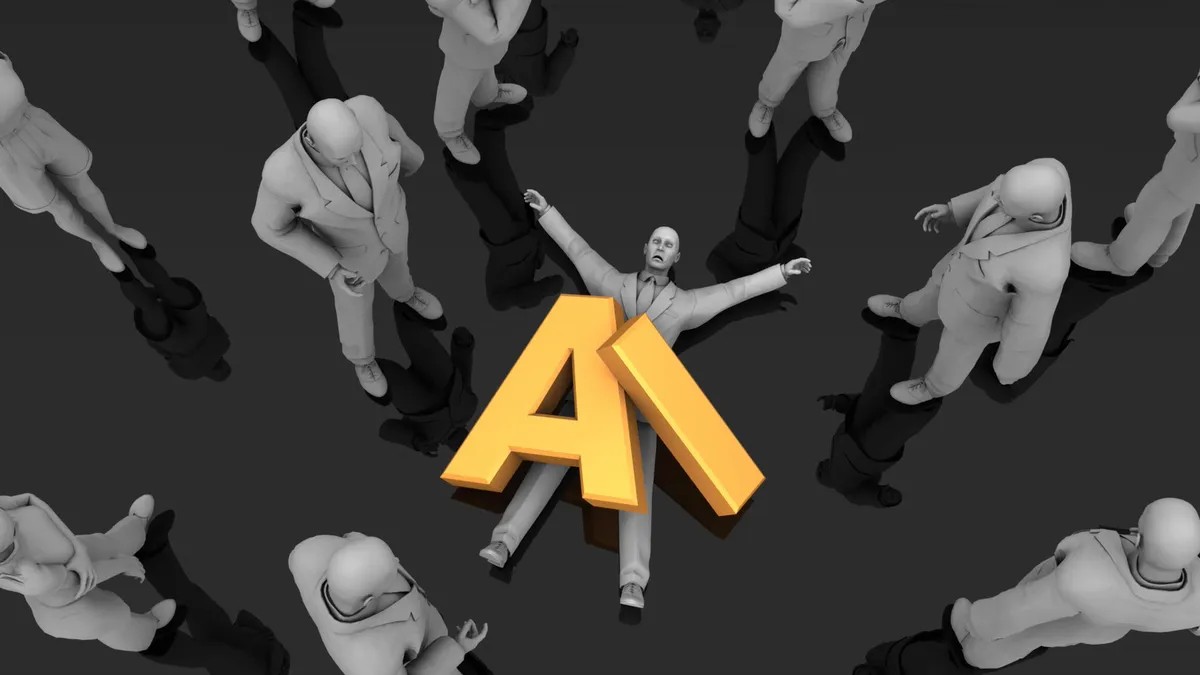
A recent British television experiment, pitting human professionals against AI rivals, underscored growing anxieties about artificial intelligence and its impact on employment. Channel 4’s Dispatches documentary, “Will AI Take My Job?”, featured a deepfake AI presenter—a novelty that overshadowed the core questions raised. While the stunt drew attention, it ultimately failed to provide meaningful answers about how societies should prepare for potential mass unemployment.
The Experiment: Humans vs. Machines
The documentary challenged a doctor, lawyer, photographer, and composer against AI systems in tasks designed to mimic aspects of their work. Predictably, AI struggled with nuanced real-world complexities. The doctor’s AI counterpart could suggest diagnoses, but lacked the physical examination skills to assess pain levels; the AI presenter, though visually convincing, couldn’t conduct genuine interviews or craft compelling narratives.
Only the photographer “lost” the challenge, but even this outcome was complicated by the fact that the AI’s success relied on human operators making creative decisions. This highlights a crucial point: current AI is not yet autonomous in high-skill professions; it augments, rather than replaces, human capabilities.
The Bigger Picture: AI and Job Displacement
The experiment exposed the discomfort workers feel when confronted with AI’s encroachment on their livelihoods. The documentary raised critical questions about AI-driven job displacement—a concern shared by a significant portion of the population—but then failed to explore possible solutions.
The British government’s response, advocating for retraining programs led by tech companies, was dismissed as naive. The reality is that tech companies prioritize profits over people, consistently demonstrating a willingness to lay off workers ruthlessly in pursuit of efficiency. Relying on them to safeguard employment feels like a dangerous gamble.
The documentary’s biggest failing was its unwillingness to challenge the government’s statement or offer concrete alternatives.
The Path Forward: Social Safety Nets and Political Will
Experts on the program, including Adam Cantwell-Corn of the Trade Unions Congress, pointed to the need for a robust social security system to absorb potential unemployment. However, this requires political will—something currently lacking, as successive administrations have dismantled social safety nets over decades.
The question remains: why aren’t governments proactively preparing for a potential unemployment crisis? The answer may lie in the unappealing prospect of rebuilding those safety nets from scratch. It is far easier to pass the responsibility to the tech companies that stand to benefit most from the disruption.
In conclusion, the Dispatches experiment served as a stark reminder of AI’s growing presence in the workforce. But it also underscored the urgent need for governments to confront the hard questions about job security, social safety nets, and the role of corporations in ensuring a just transition. Without decisive action, the future of work risks leaving millions behind.