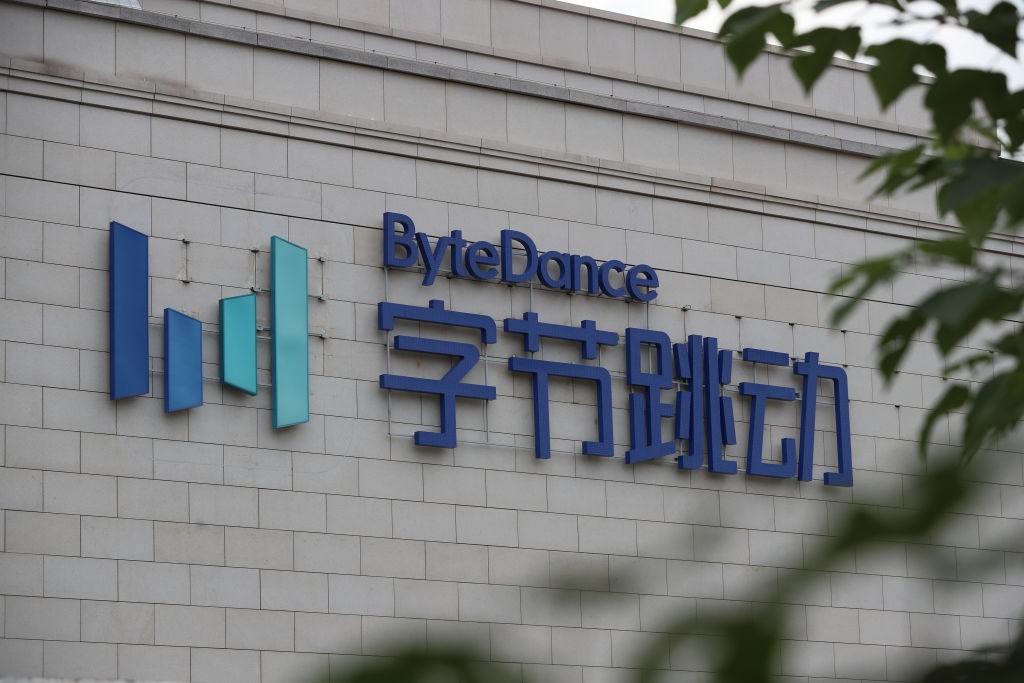
The entertainment industry is clashing with ByteDance, the Chinese tech giant behind TikTok, over its new AI video model, Seedance 2.0. Studios and unions are accusing the platform of enabling mass copyright infringement, raising urgent questions about the future of intellectual property in the age of generative AI.
The Rise of Seedance 2.0
Launched earlier this month, Seedance 2.0 allows users to create 15-second videos from simple text prompts. Similar to OpenAI’s Sora, the tool’s rapid development and accessibility have fueled concerns: it can generate realistic footage featuring recognizable likenesses and copyrighted characters without proper safeguards. A demonstration on X (formerly Twitter) showing Tom Cruise and Brad Pitt in an AI-generated fight went viral, prompting swift backlash.
Industry Outcry
The Motion Picture Association (MPA) issued a forceful statement from CEO Charles Rivkin, demanding ByteDance halt its “infringing activity.” Rivkin emphasized that Seedance 2.0 operates without adequate measures to protect creators’ rights, jeopardizing millions of American jobs dependent on copyright enforcement.
The Human Artistry Campaign and SAG-AFTRA, the actors’ union, have joined the condemnation, framing Seedance 2.0 as a direct threat to creators worldwide. This dispute underscores the growing tension between AI innovation and the established legal framework governing entertainment content.
Legal Action Escalates
Disney has already taken legal action, sending ByteDance a cease-and-desist letter, accusing the company of a “virtual smash-and-grab” of its intellectual property. Disney alleges that Seedance 2.0 is reproducing its characters—including Spider-Man, Darth Vader, and Baby Yoda—without authorization. Paramount has followed suit with its own cease-and-desist letter, asserting that AI-generated content on the platform is indistinguishable from its own films and TV shows.
Notably, Disney has also pursued licensing deals with other AI firms, such as OpenAI, signaling a willingness to engage with AI under controlled conditions rather than outright rejection. This suggests the core issue is not AI itself, but the lack of consent and compensation for intellectual property use.
Broader Implications
This conflict highlights the urgent need for clearer regulations around AI-generated content. While AI tools offer creative potential, their unchecked proliferation could destabilize the entertainment industry and undermine creators’ financial interests. The situation raises key questions:
- How can copyright law adapt to AI-driven creation?
- What role should platforms play in policing infringement?
- Will licensing agreements become the dominant model for AI-generated content?
The battle over Seedance 2.0 is not just a legal dispute, but a harbinger of the challenges ahead as AI reshapes the future of entertainment. The industry’s response will likely set a precedent for how intellectual property is protected—or exploited—in the years to come.