
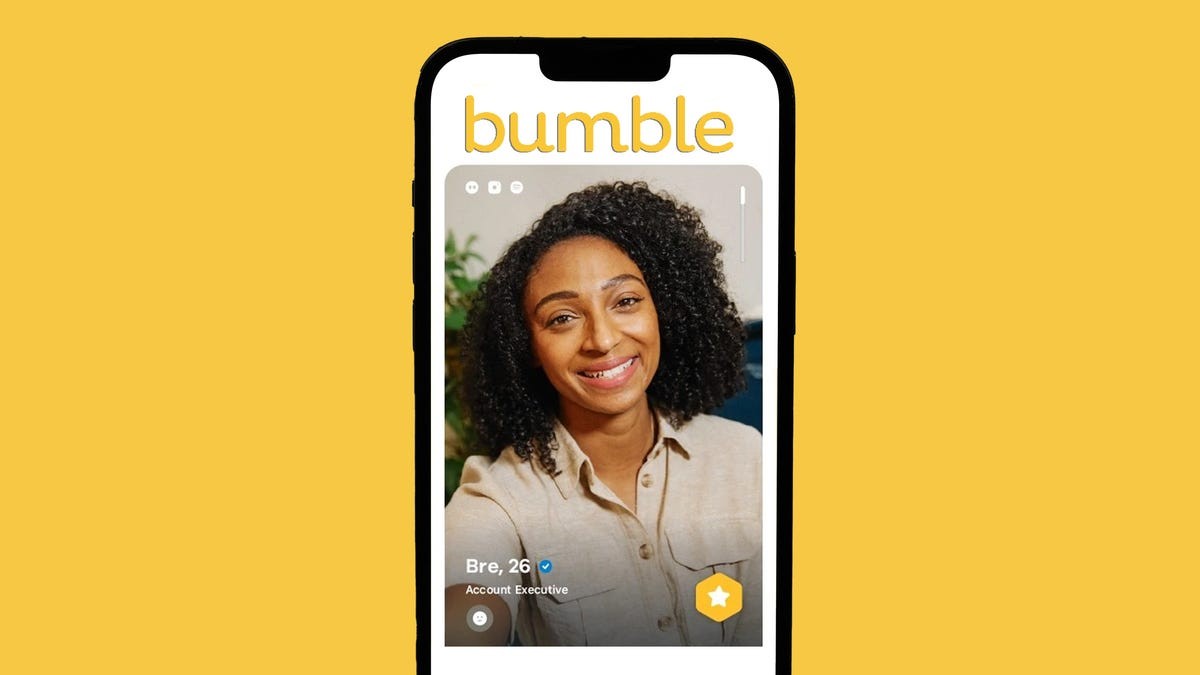
Dating app Bumble is betting big on artificial intelligence to shake up how people connect. The company unveiled plans for “Bumble 2.0,” a revamp set to roll out this spring, featuring an AI assistant named Bee and a new “chapter-based” profile format. This isn’t just a UI tweak: it’s a fundamental shift away from the traditional swipe-left-or-right model that has dominated dating apps for over a decade.
The End of the Swipe?
For years, dating apps have optimized for quick decisions. A photo, a bio, a swipe. Bumble’s new strategy suggests people are tired of being reduced to superficial judgments. CEO Whitney Wolfe Herd stated users are “tired of being reduced to images and potentially dismissed with a swipe.” The company is even considering eliminating the swipe entirely in some markets as a test, forcing users to engage with profiles more thoughtfully.
This move is significant. Swiping is addictive by design, keeping users scrolling indefinitely. Removing it means forcing engagement with actual content. It also gives Bumble a unique selling point in a crowded market.
Chapter-Based Profiles: Tell Your Story
The core of the change is the new profile format. Instead of static lists of details, users will now share “chapters” of their lives – short, story-like sections showcasing experiences, interests, or defining moments.
This isn’t just about aesthetics. Bumble believes compelling narratives are more effective than bullet points. A user sharing a vivid story about backpacking through Italy is more likely to capture attention than simply listing “travel enthusiast.” The company also stands to gain valuable data. Richer profiles mean more insights for Bee, the AI assistant.
Bee: Your AI Matchmaker
Bee isn’t just about better profiles; it’s about proactive matchmaking. Bumble’s AI will learn a user’s values, relationship goals, communication style, and dating intentions. The goal? To identify genuine compatibility, not just surface-level attraction.
Bee will analyze user data – whether through text or voice input – to “identify mutual compatibility” with other members. The company is already beta testing the assistant with a select group of users.
The Bigger Picture: AI in Dating
Bumble isn’t alone in embracing AI. Grindr has a chatbot for message assistance, while Tinder and Hinge use AI to suggest conversation starters. However, Bumble’s approach is more holistic: an AI assistant integrated into the entire profile and matching experience.
The shift is driven by two key forces. First, users are increasingly frustrated with shallow connections. Second, AI offers the potential to move beyond simple algorithms and towards more nuanced, personalized matchmaking.
“Ultimately, dating only works when you really understand the story of someone,” said Wolfe Herd. “This is where chemistry and connection really happen.”
The success of Bumble 2.0 will depend on whether users embrace the change. If the new format feels forced or overly complex, it could backfire. But if it delivers on its promise of more meaningful connections, it could set a new standard for online dating.
Ultimately, Bumble’s bet on AI represents a broader trend: dating apps are evolving from simple matching tools to sophisticated platforms that try to understand what people really want.