
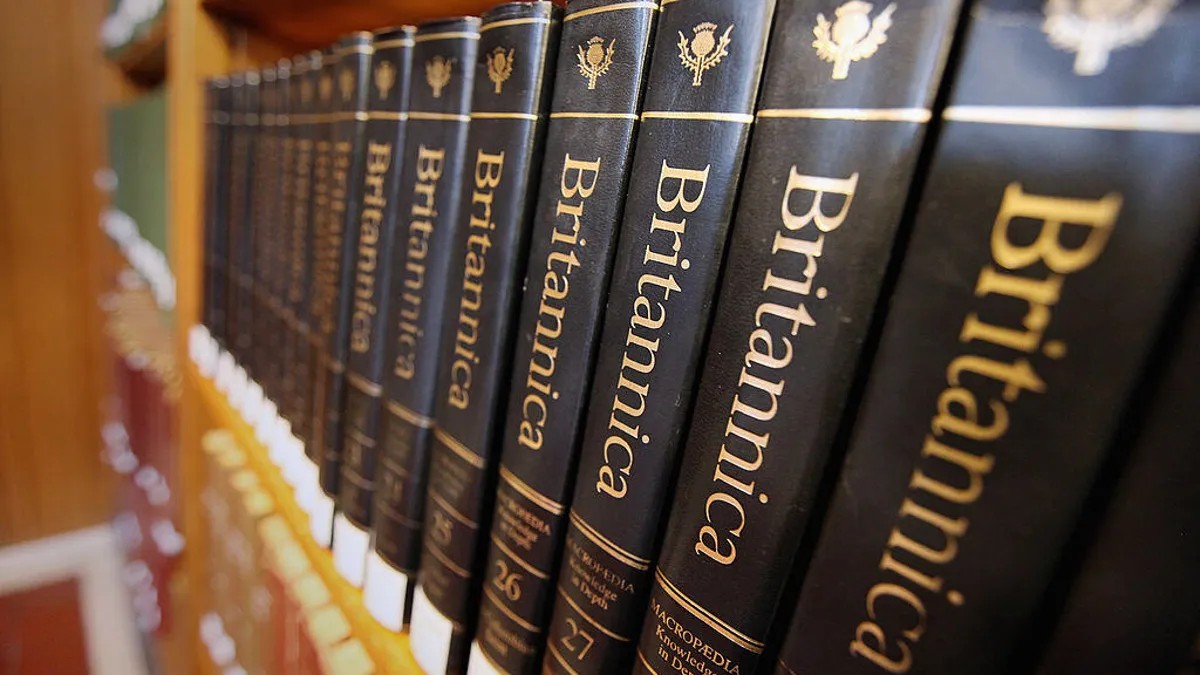
Two of the world’s oldest and most respected reference publishers, Encyclopedia Britannica and its subsidiary Merriam-Webster, have filed a lawsuit against OpenAI, the company behind the popular AI chatbot ChatGPT. The core allegation is that OpenAI illegally used Britannica’s copyrighted content to train its large language models without obtaining permission or providing compensation.
The Core of the Dispute
The lawsuit claims that ChatGPT frequently reproduces, summarizes, or directly copies material from Britannica’s publications in its responses to user queries. This practice, Britannica argues, not only violates copyright law but also actively cannibalizes traffic to their own websites – meaning fewer users visit Britannica directly when ChatGPT provides the answer instead.
The suit emphasizes that OpenAI profits from using copyrighted material without authorization, a practice that could set a dangerous precedent for AI companies scraping data from the web. This is not an isolated incident; other publishers, including Ziff Davis (CNET’s parent company), have also filed similar lawsuits against OpenAI.
Fair Use vs. Copyright Law
The case hinges on the legal debate surrounding “fair use.” OpenAI argues that its training models fall under this exception, as AI development relies on analyzing publicly available data. However, Britannica contends that ChatGPT’s outputs go beyond fair use by directly replicating copyrighted material in a way that harms the original publishers.
Last year, Anthropic and Meta successfully defended themselves in court under fair use arguments, but Britannica is pushing back, seeking to establish stricter boundaries for AI training practices. The company also has an ongoing lawsuit against another AI search engine, Perplexity, over similar copyright concerns.
Why This Matters
This lawsuit is part of a growing trend of content creators challenging AI companies over intellectual property rights. The outcome will have significant implications for the future of AI development and the balance between innovation and copyright protection. If Britannica prevails, OpenAI and other AI firms may be forced to renegotiate licensing agreements with publishers, fundamentally altering how these technologies are trained.
OpenAI maintains that its models empower innovation by being trained on publicly available data, but this case underscores the tension between AI’s rapid growth and the rights of content creators. The legal battle is far from over, and the stakes are high for both sides.