
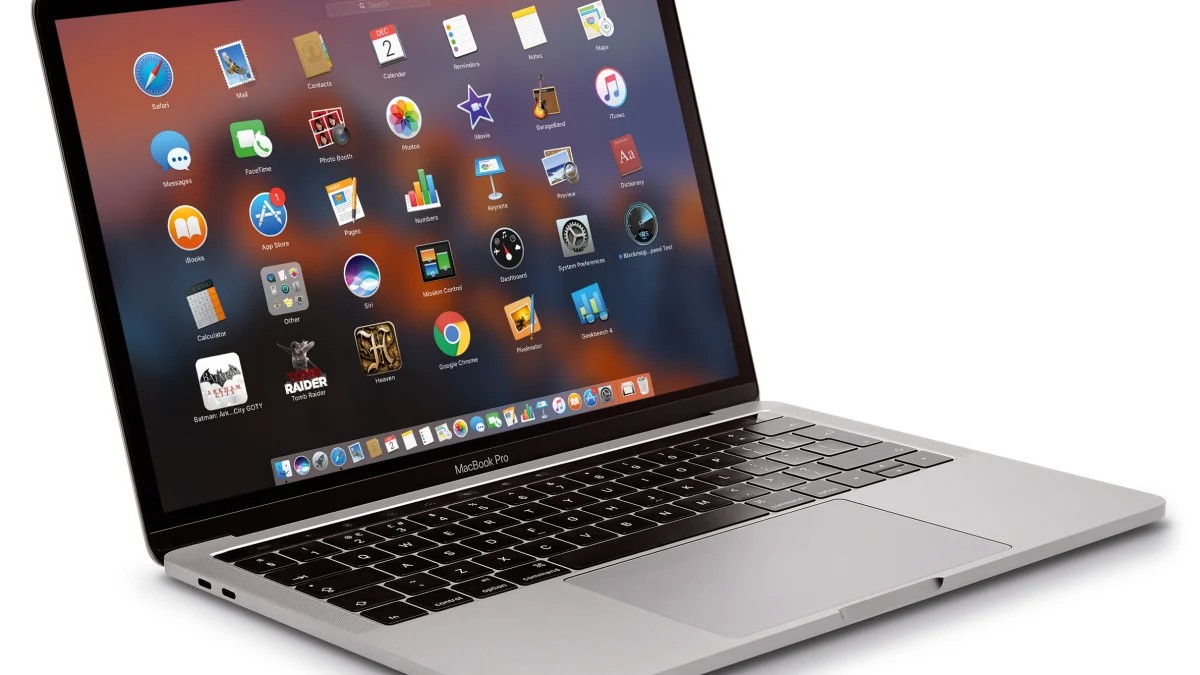
Apple is preventing updates to a popular Mac application, AppGrid, because it too closely resembles Launchpad – a feature Apple itself discontinued last year. The decision, reported by the app’s developer Attila Miklósi, highlights Apple’s strict enforcement of interface guidelines, even when applying them to features no longer offered by the company.
The Disappearance of Launchpad
Launchpad was first introduced with Mac OS X Lion in 2011 as a full-screen application grid, similar to the iPad experience. It allowed users to customize and organize their app icons, a feature many found convenient. However, Apple replaced Launchpad with the “Apps” utility in macOS Tahoe last September. This new version presents apps in a simple, alphabetical list, lacking Launchpad’s customization options and suffering from a reported buggy search function.
This removal sparked user dissatisfaction, with many Mac users missing the functionality of Launchpad. Third-party developers responded by creating alternative apps that recreated the Launchpad experience.
AppGrid and Apple’s Restrictions
AppGrid became one of the most popular such alternatives, available directly through Apple’s App Store. Despite its success, Apple is now blocking updates to the app. According to Miklósi, Apple cited its developer guidelines, which prohibit apps that are “confusingly similar to an existing Apple product or interface.”
The irony is that the ‘existing Apple product’ in question – Launchpad – no longer exists. Apple has not removed AppGrid from the App Store entirely, and continues to collect revenue from Pro version purchases. However, the App Store version remains frozen, unable to receive updates since November 2025.
Developer Concerns and Future Updates
Miklósi states that Apple suggested approving updates only if AppGrid’s design was altered to be less reminiscent of the old Launchpad. He is reluctant to make those changes, as thousands of users have already purchased the current version.
For now, AppGrid continues to receive updates through direct downloads from the developer’s website, bypassing the restrictions imposed on the App Store version. This leaves the App Store listing in a “zombie state,” functional for new purchases but unable to evolve.
Apple’s move demonstrates its firm control over the App Store ecosystem, even when applying rules to features the company has abandoned. The situation raises questions about the consistency of these policies and their impact on third-party developers trying to fill gaps in Apple’s software offerings.